Friday, March 5, 2010

A Winter Visit to Kerry

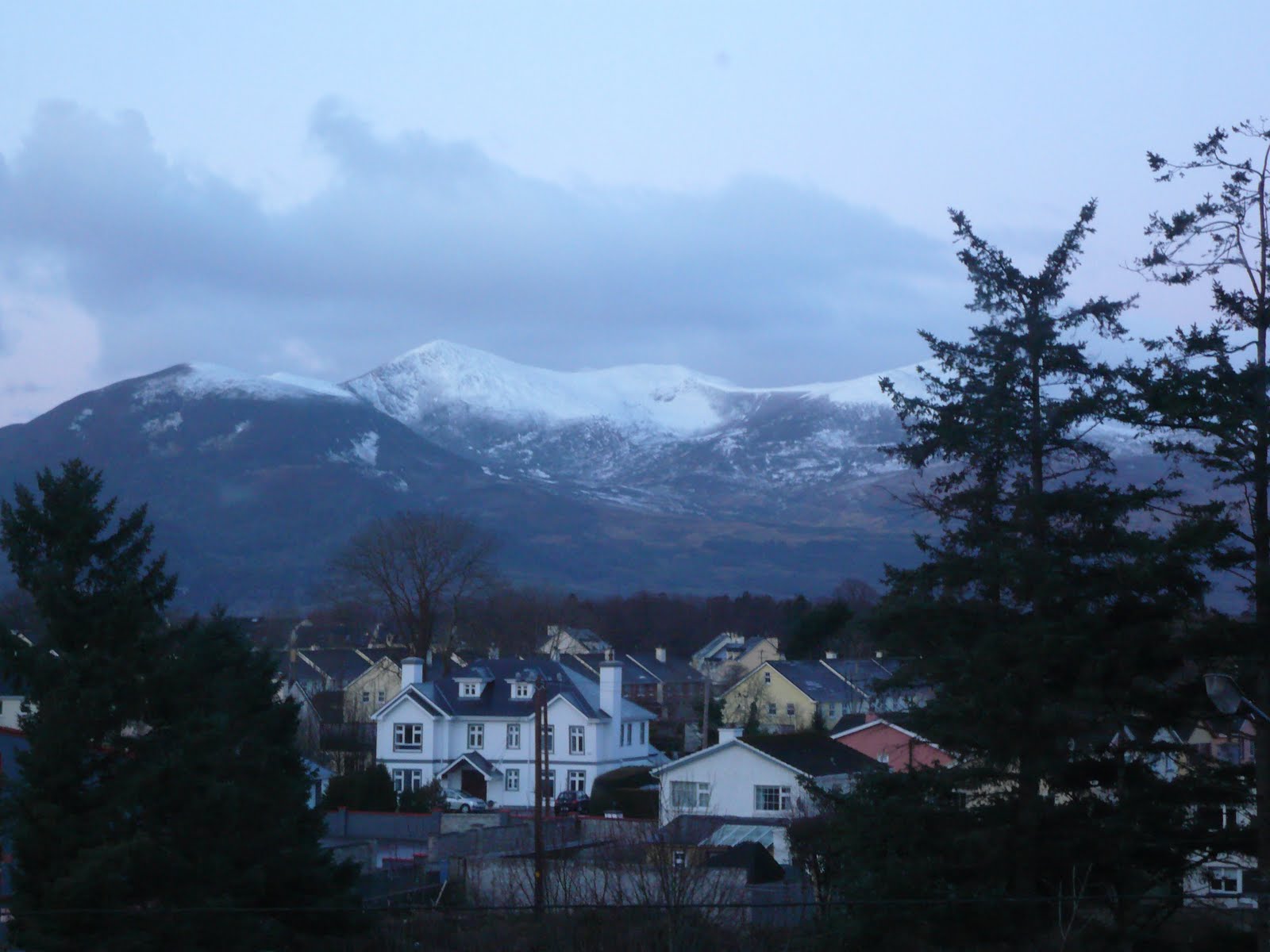
My husband and I have visited Killarney in February several times. I love the smell of burning peat (called turf in Ireland) in the air, and though the trees are bare, the grass is green, and tropical plants blessed by the warming Gulf Stream flourish outdoors. We’d always seen pots of pansies hanging on the poles throughout the town.

Not this year. One pub owner told us the snow on the mountains was only designer snow. Another said Ireland had endured its worst winter in sixty years. But the atypical chill in the air didn’t hinder our touring plans, and I’m happy to report that the rain-to-snow forecasts for each day of our visit were wrong.

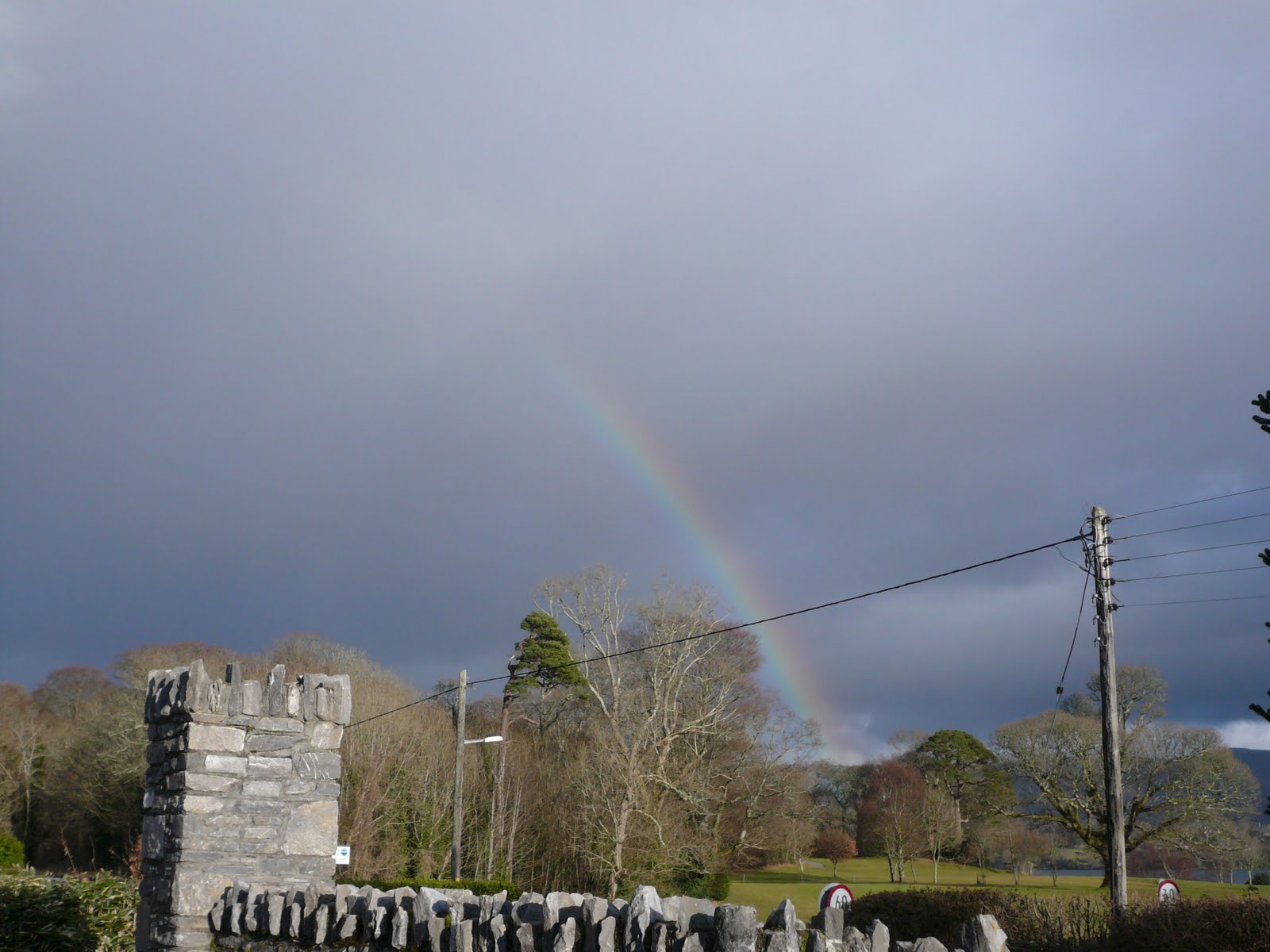
We armed Gertrude, our trusty GPS, with Irish maps to help us explore. She did her best to navigate our first daytrip, which took us south through Killarney National Park. Fog and showers obscured the views, but we were still adjusting to the five-hour time change and didn’t mind. Our twisty, narrow-laned drive brought us to the town of Kenmare, a colorful 19th century market town. Its Irish name, Neidin, means “little nest, ” as the town is nestled between the mountains of Kerry and Cork. We spent an enjoyable few hours browsing through shops, and I acquired several new CDs to feed my addiction to traditional Irish music. The weather had improved by the time we caught an Irish highway back to Killarney, seeing more than one rainbow along the way.

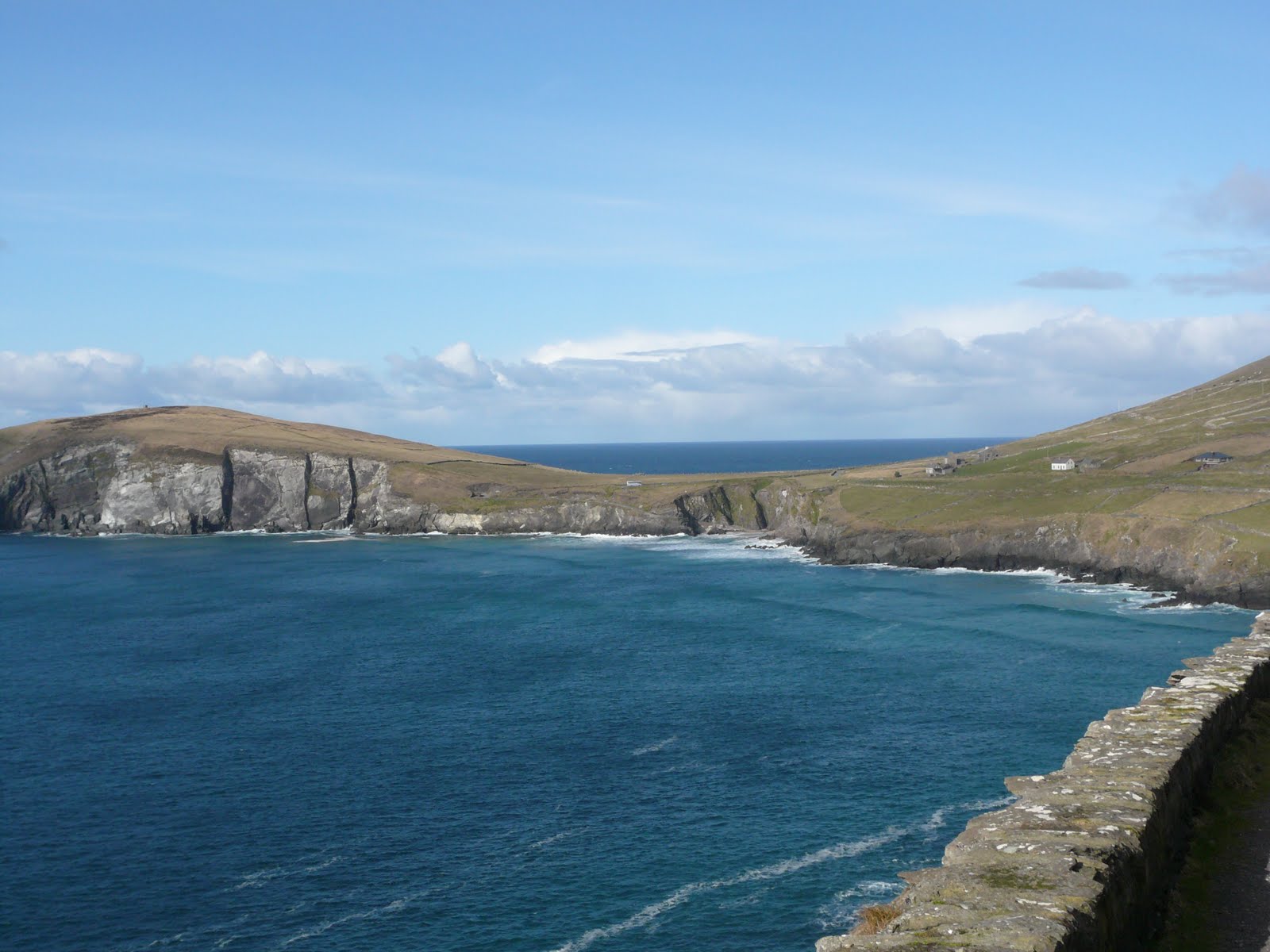
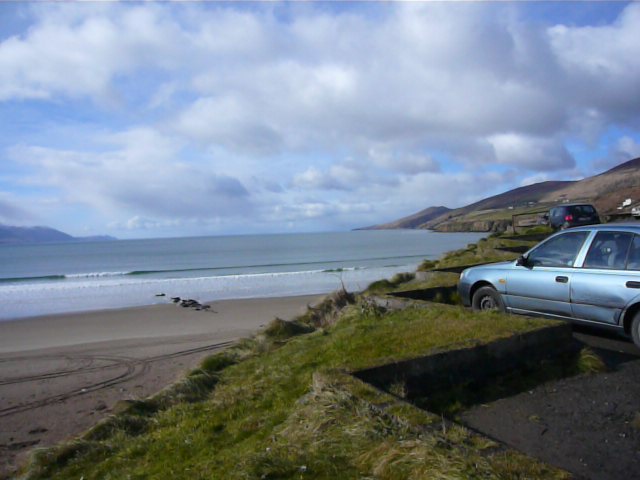
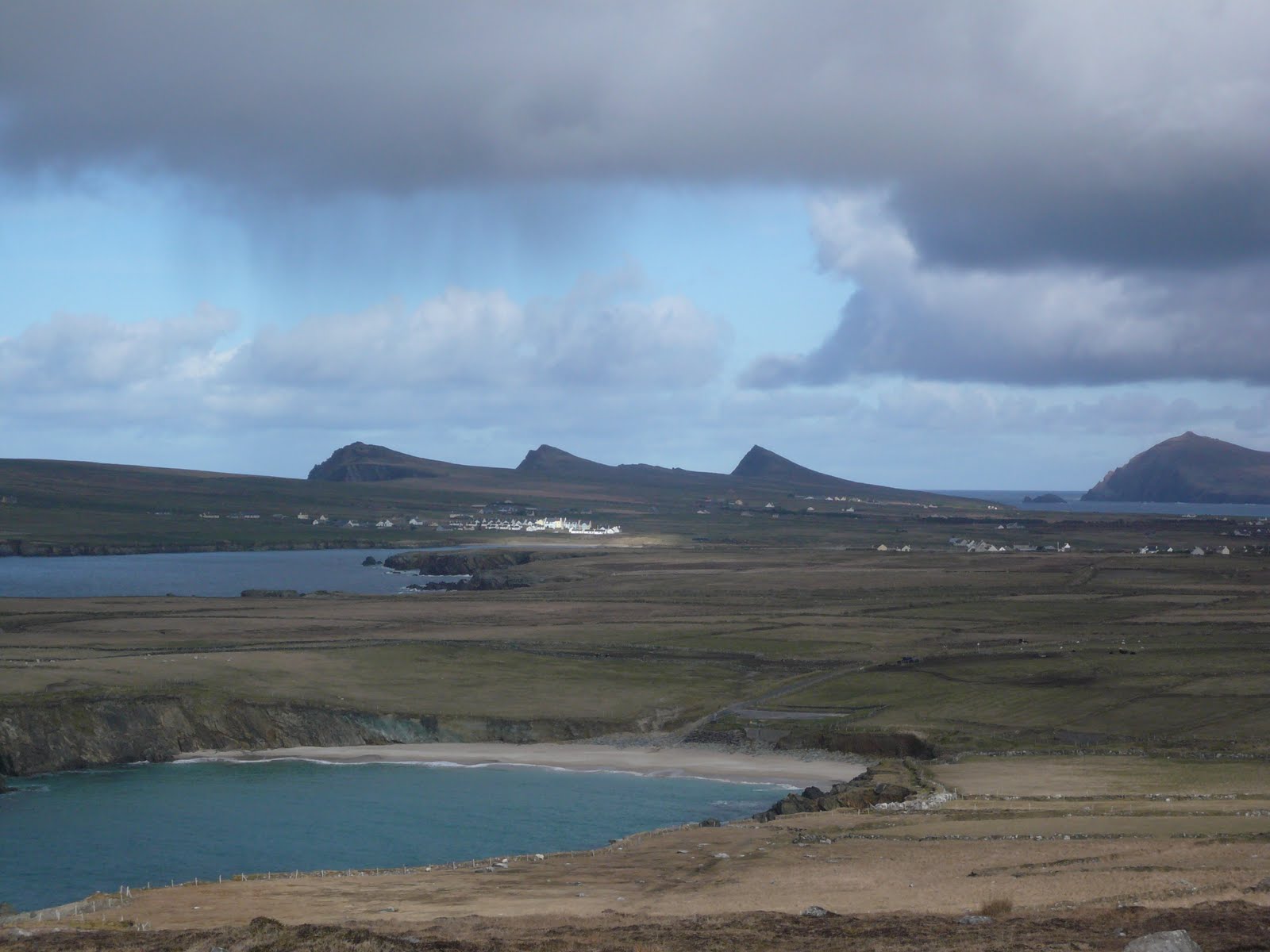
Above and Below - Scenery Along the Dingle Peninsula
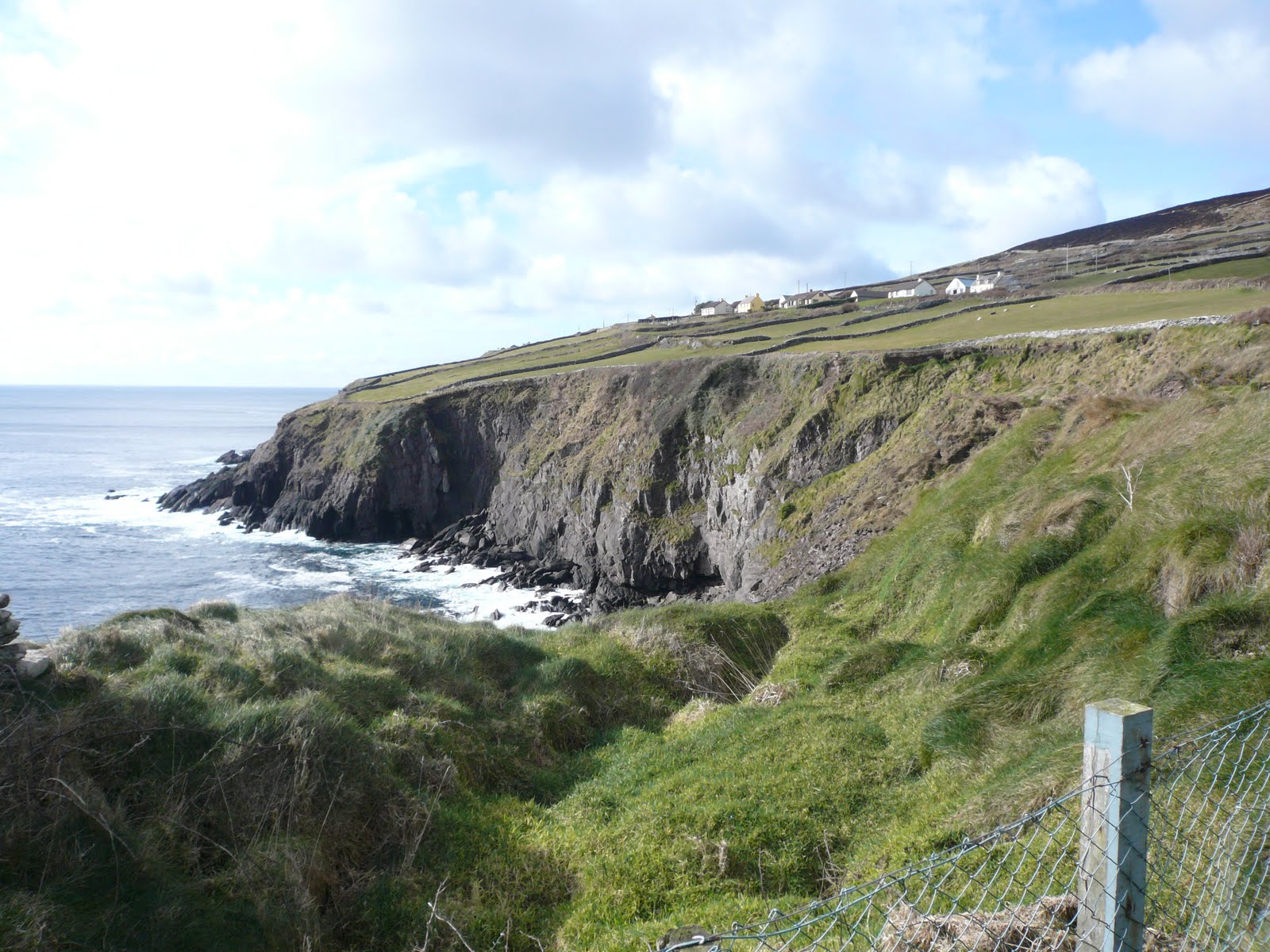
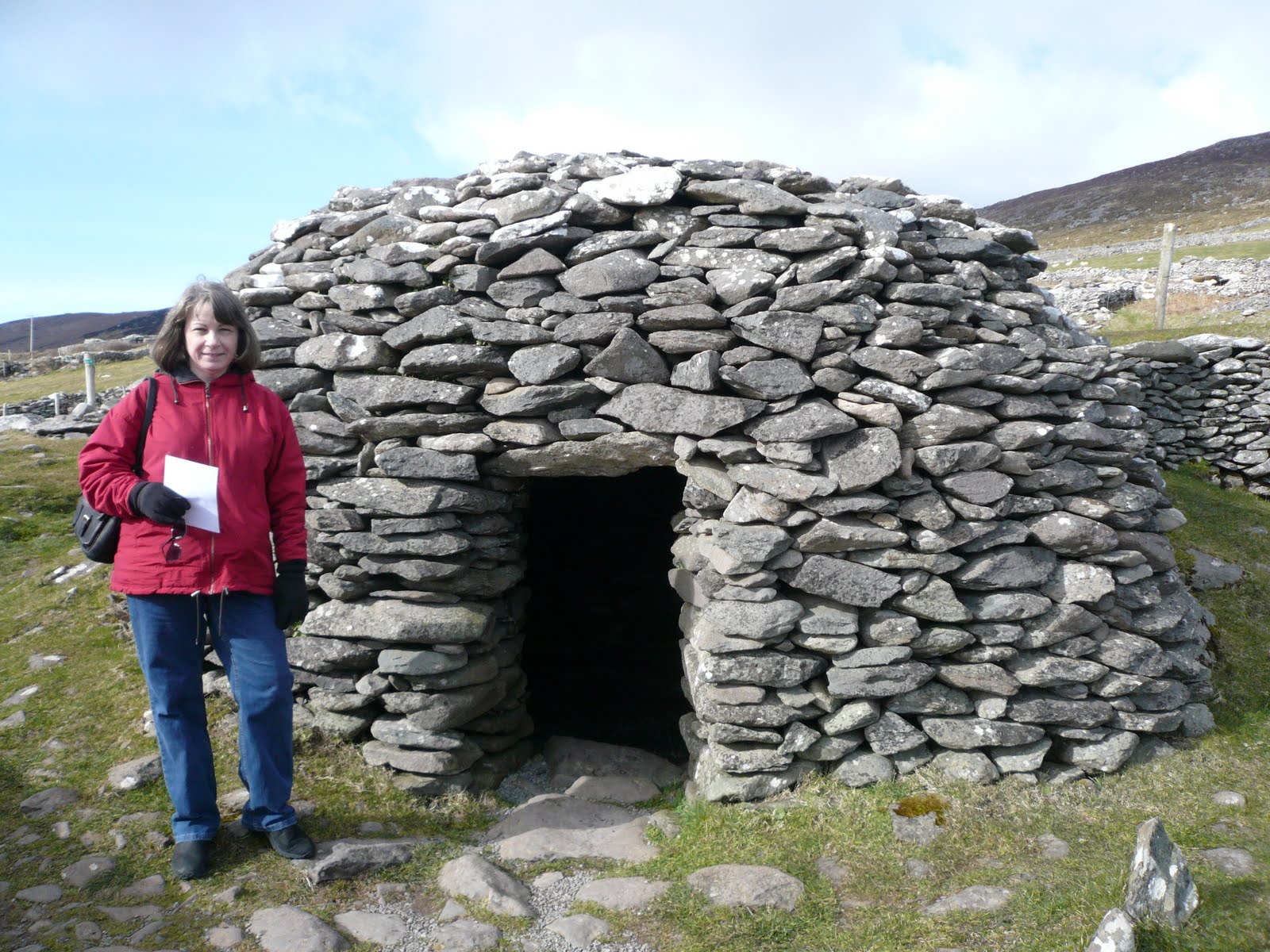
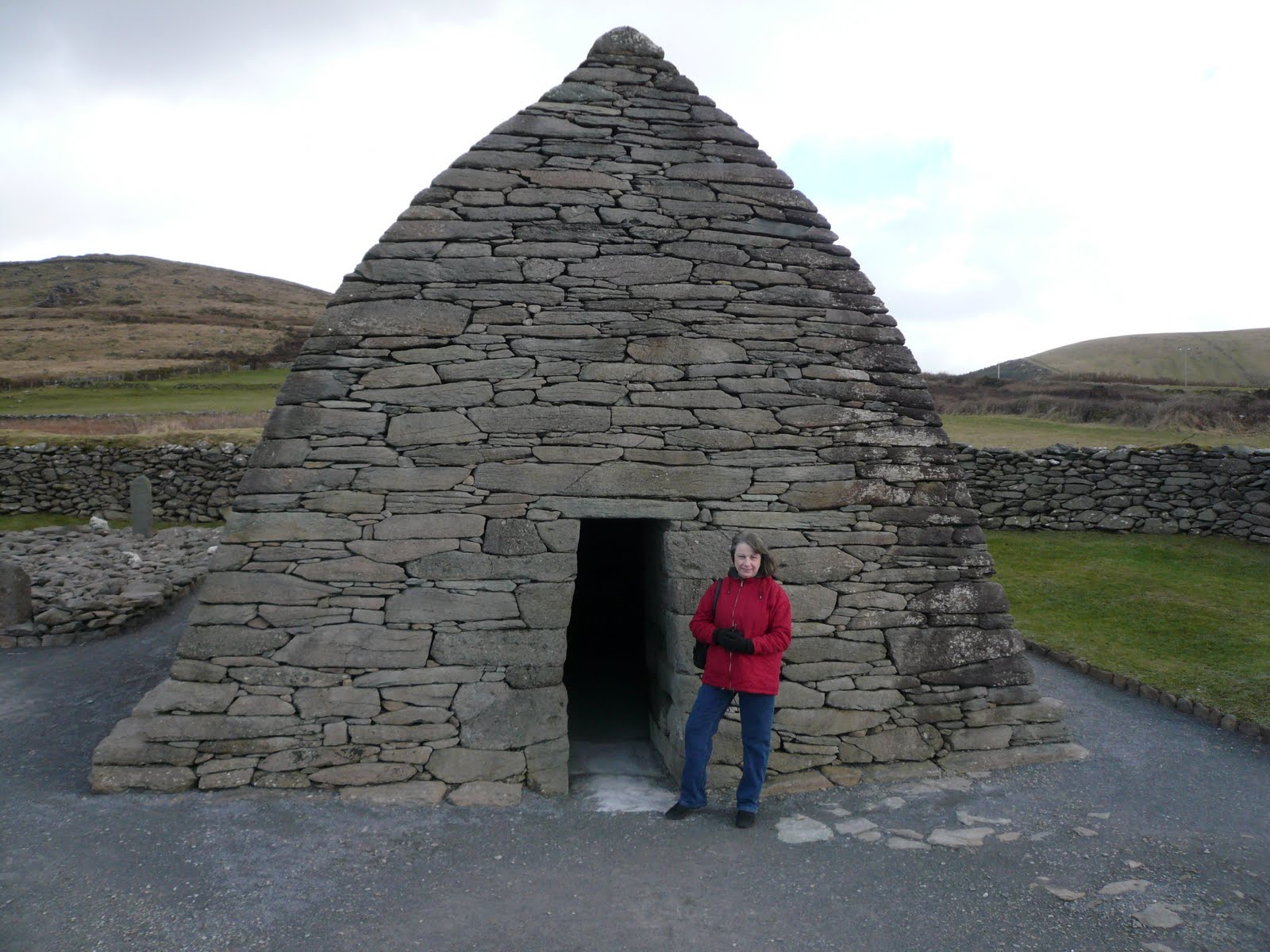
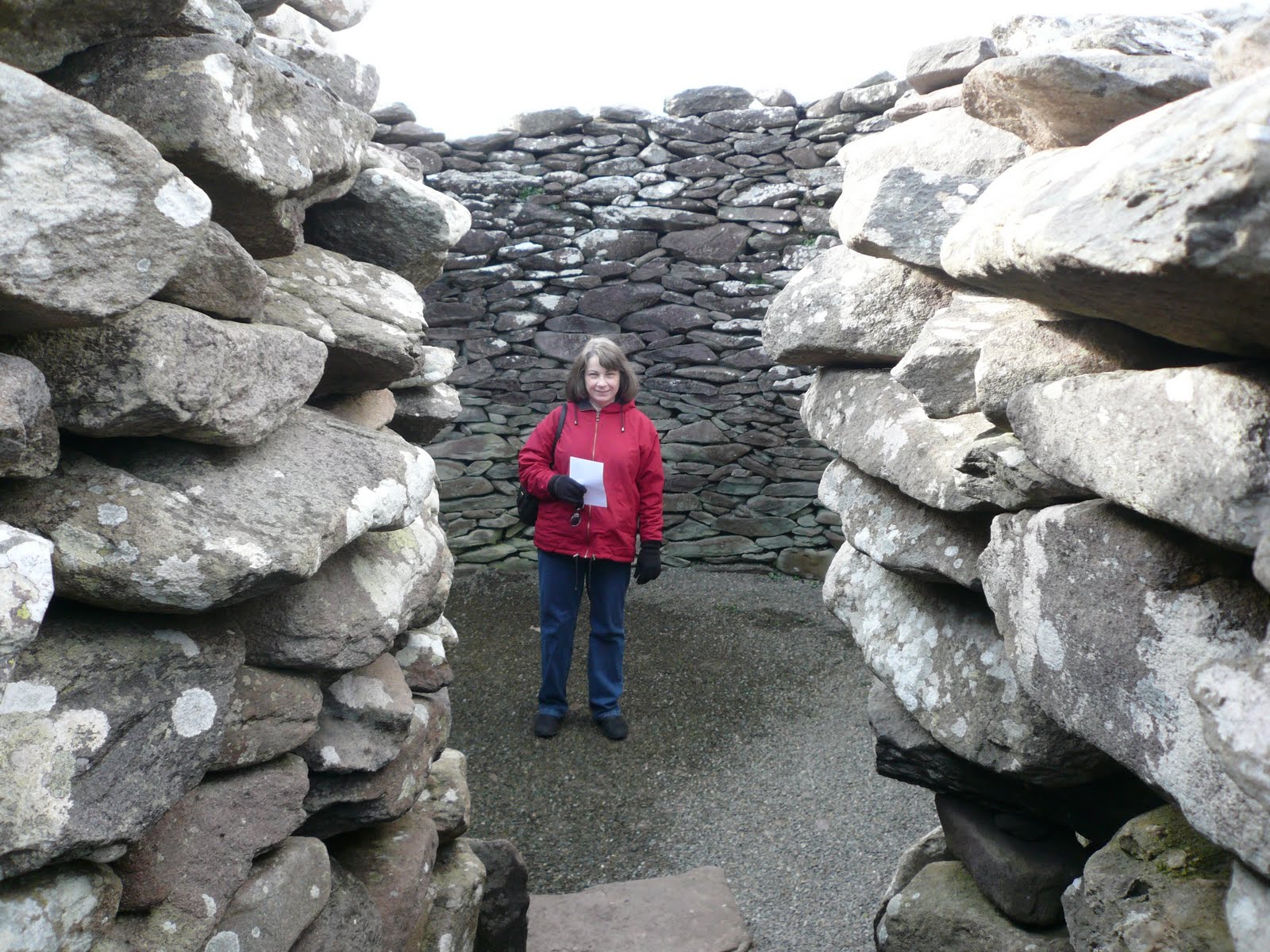
Gertrude received a more vigorous workout the next day. A pleasant mix of clouds and sunny skies shone over our first visit to the Dingle Peninsula, the northernmost arm of Kerry stretching out into the Atlantic. I’d been researching ring forts for a writing project and didn’t realize I was about to see the prehistoric remains of more than one. The famous Beehive Huts and ancient Dunbeg Fort overlooking Dingle Bay would set anyone’s imagination awhirl. We drove out to the breathtakingly beautiful Slea Head, viewed the Blasket Islands, and drove on to see the Gallarus Oratory. On our way back to Killarney, we stopped in hilly Dingle Town for a stroll and a pub lunch.
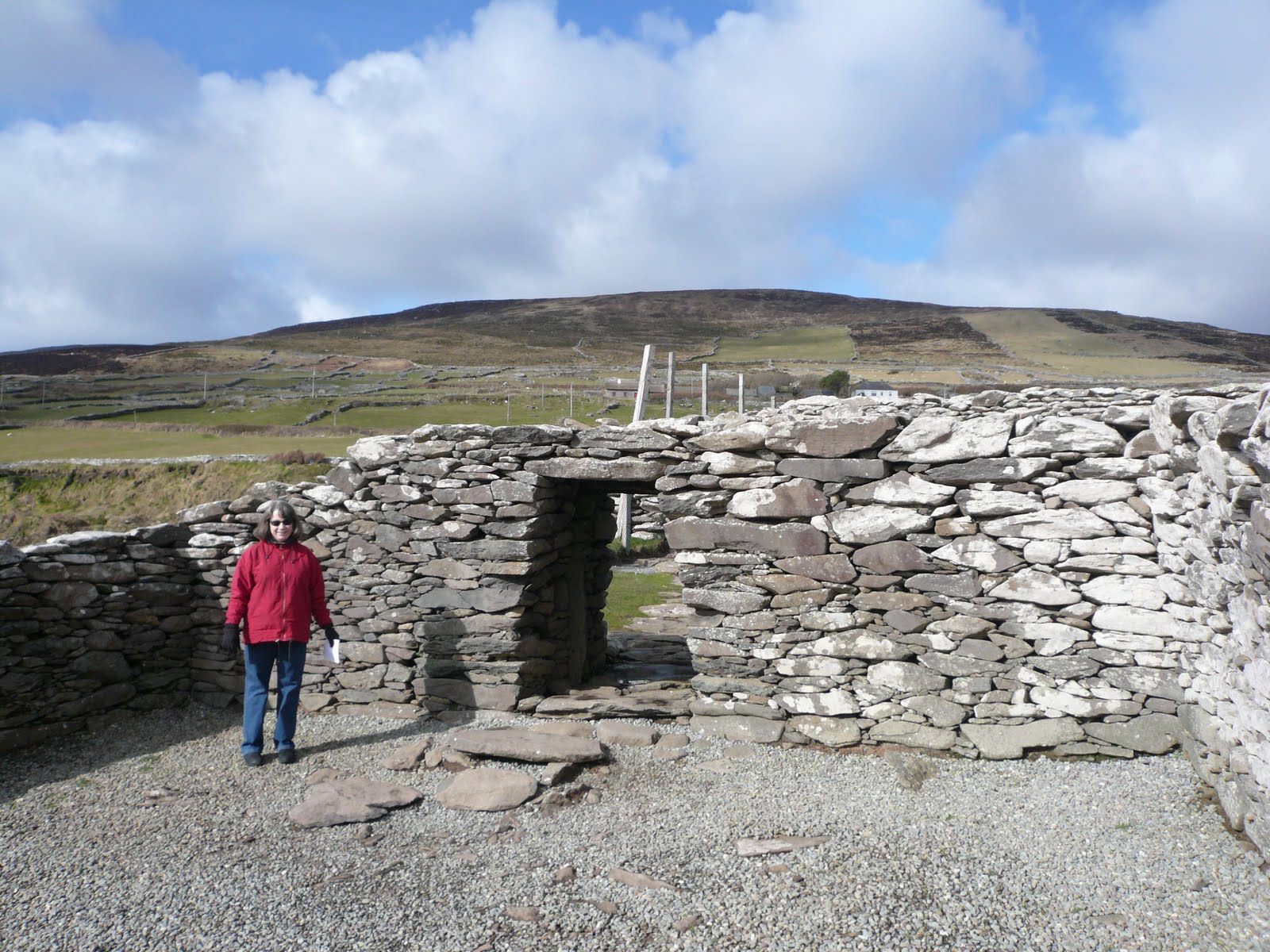

Above - Ring Forts and Beehive Huts

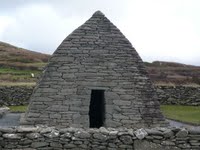
Below - The Gallarus Oratory and the View From Its Door


Part two of our winter break will feature the Beara Peninsula and Killarney Town. Stay tuned!

Thursday, October 22, 2009

Guinness Beef Stew a la Pat

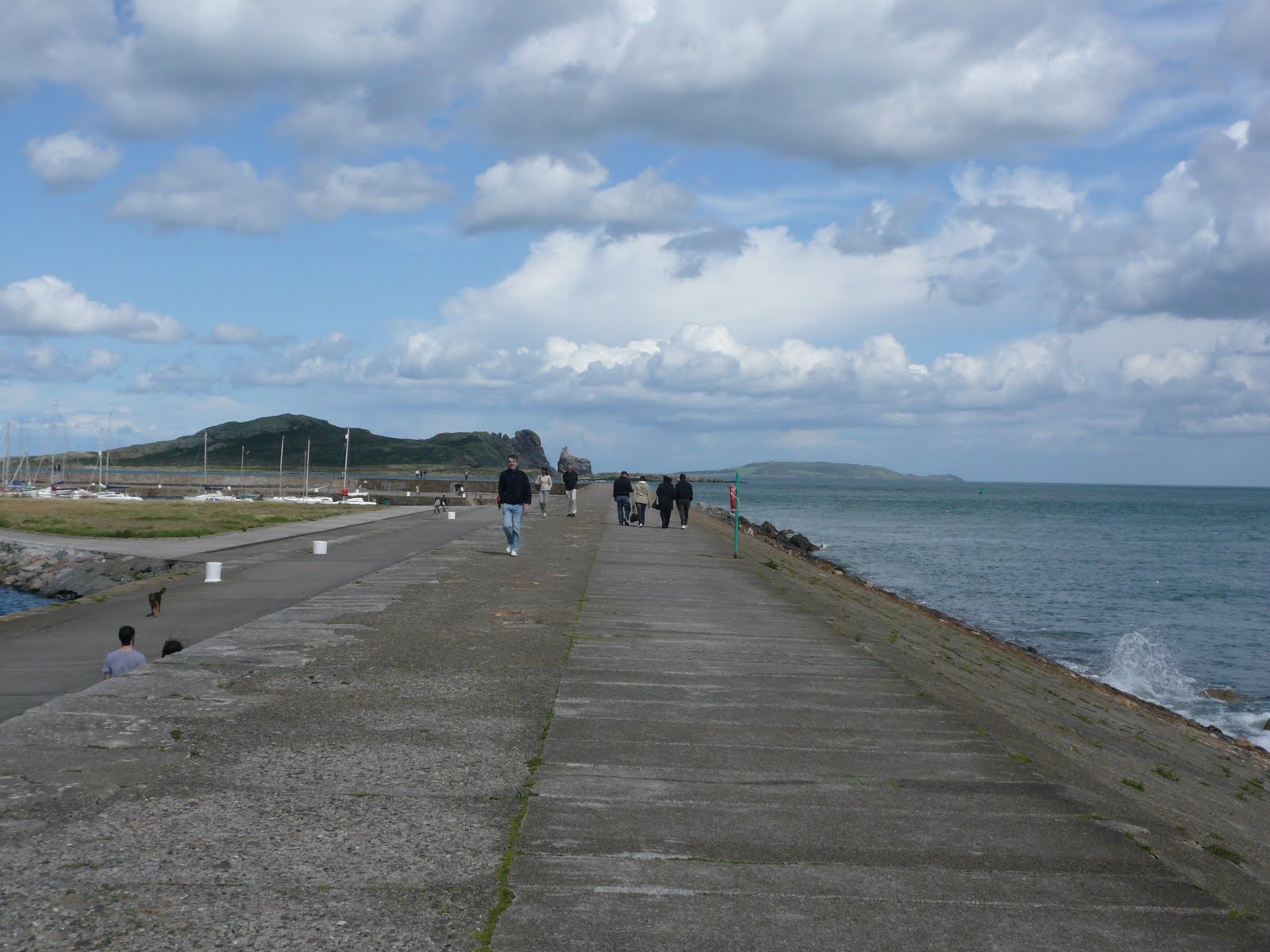
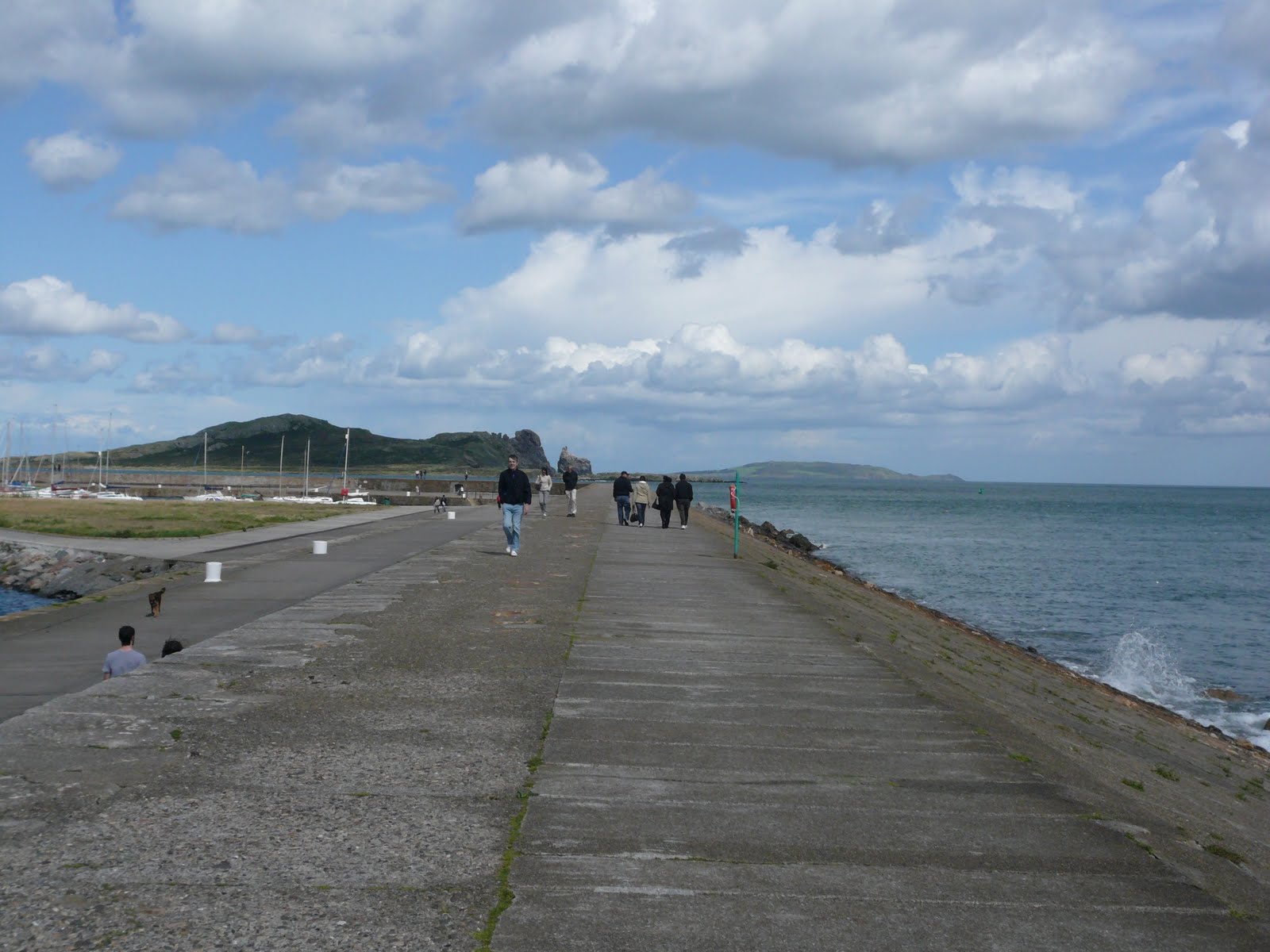
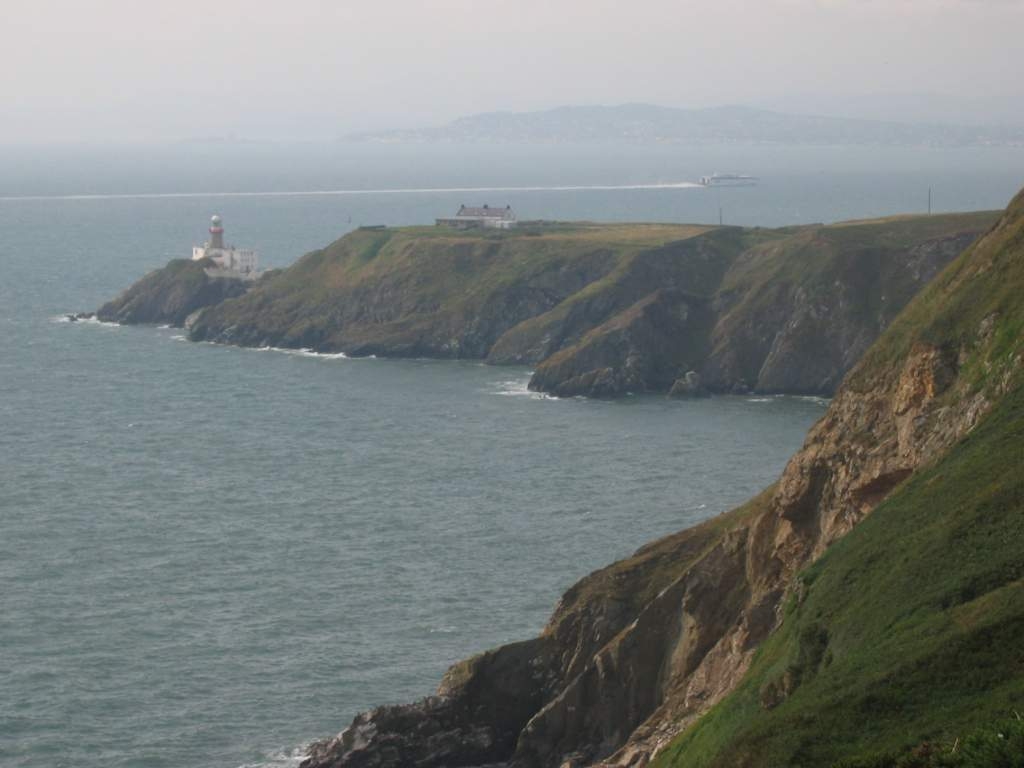
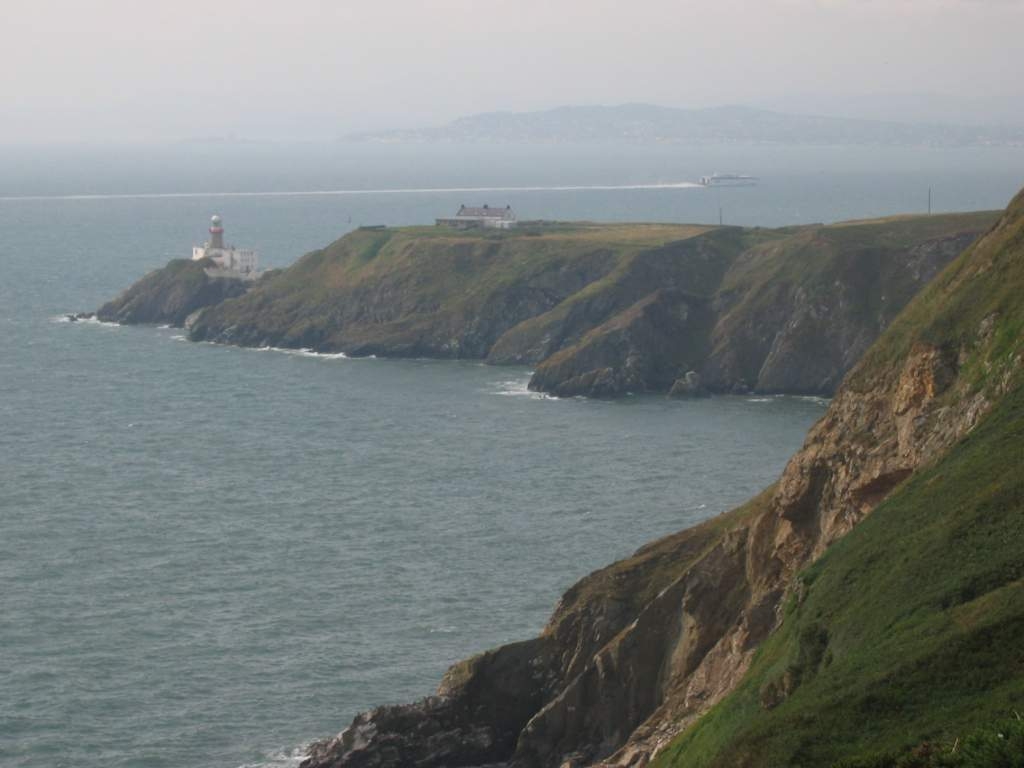
Cold weather brings out cravings for heartier food. The warm weather quinoa, bulghur, and veggie salads that kept us cool in July simply won't do anymore. Last autumn I found myself at the Abbey Tavern in the chilly North Dublin Village of Howth, one of my favorite places to visit, which you know if you follow my blogs. (Pictured is Howth's East Pier with Ireland's Eye and Lambay Island in the distance.)

Sitting before a roaring peat fire with a glass of wine and a bowl of Guinness Beef Stew came close to topping nearly every heavenly experience I've ever known. But the cook wouldn't share the recipe! Undaunted, I strove to recreate the succulent dish after I returned to New Hampshire. Through trial and much error, I came up with a delectable stew on a par with the one I enjoyed in Howth, and I'm happy to share the recipe with you here. Sorry I can't offer a roaring peat fire!

PAT'S GUINNESS BEEF STEW

4-5 lbs. beef stew meat, well trimmed
4 Tbs. vegetable oil
A dollop of bacon fat
4 Tbs. flour
One big vidalia onion, chopped
2 lbs. sliced mushrooms, white, wild, or mixed to your taste
A few cloves of garlic, minced
1 can of beef broth
3 cans of Guinness Stout
2 tsps. Worcestershire sauce
2 tsps. dried thyme
A few bay leaves
Salt and pepper to taste

Heat the oil in a stew pot. Add bacon fat and brown the meat, sprinkling with flour as it cooks. Remove meat and set aside. Add chopped onions and cook for a few minutes until soft, then add the mushrooms and sauté until they release their moisture and start to brown, adding minced garlic and sprinkling on any remaining flour. Return meat to the mixture, add the beef broth, Guinness, and remaining ingredients. Stir well and simmer for about two hours, or until meat is tender. Serve with mashed potatoes. Serves six to eight hungry people and leftovers are great.

Wednesday, September 23, 2009

The Hill of Tara and Brú Na Bóinne

Our brief stop in Liverpool surprised me. The lovely parks and blend of old and modern architecture we viewed "In the Footsteps of the Beatles" quickly dispelled our ideas of a sooty, industrial city. We had great fun seeing the haunts and homes of John, Paul, George, and Ringo, including a museum dedicated to their rise to stardom.
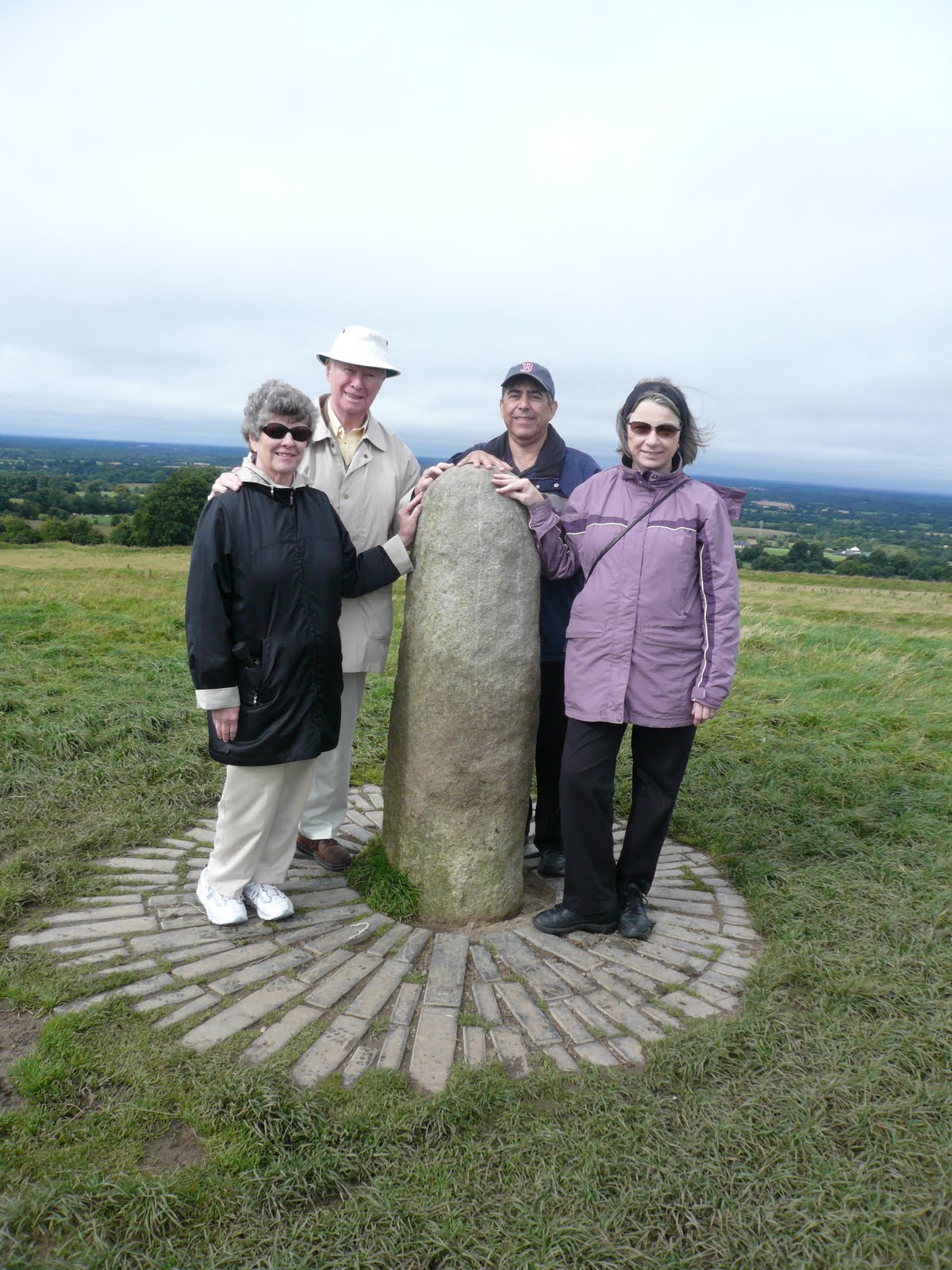
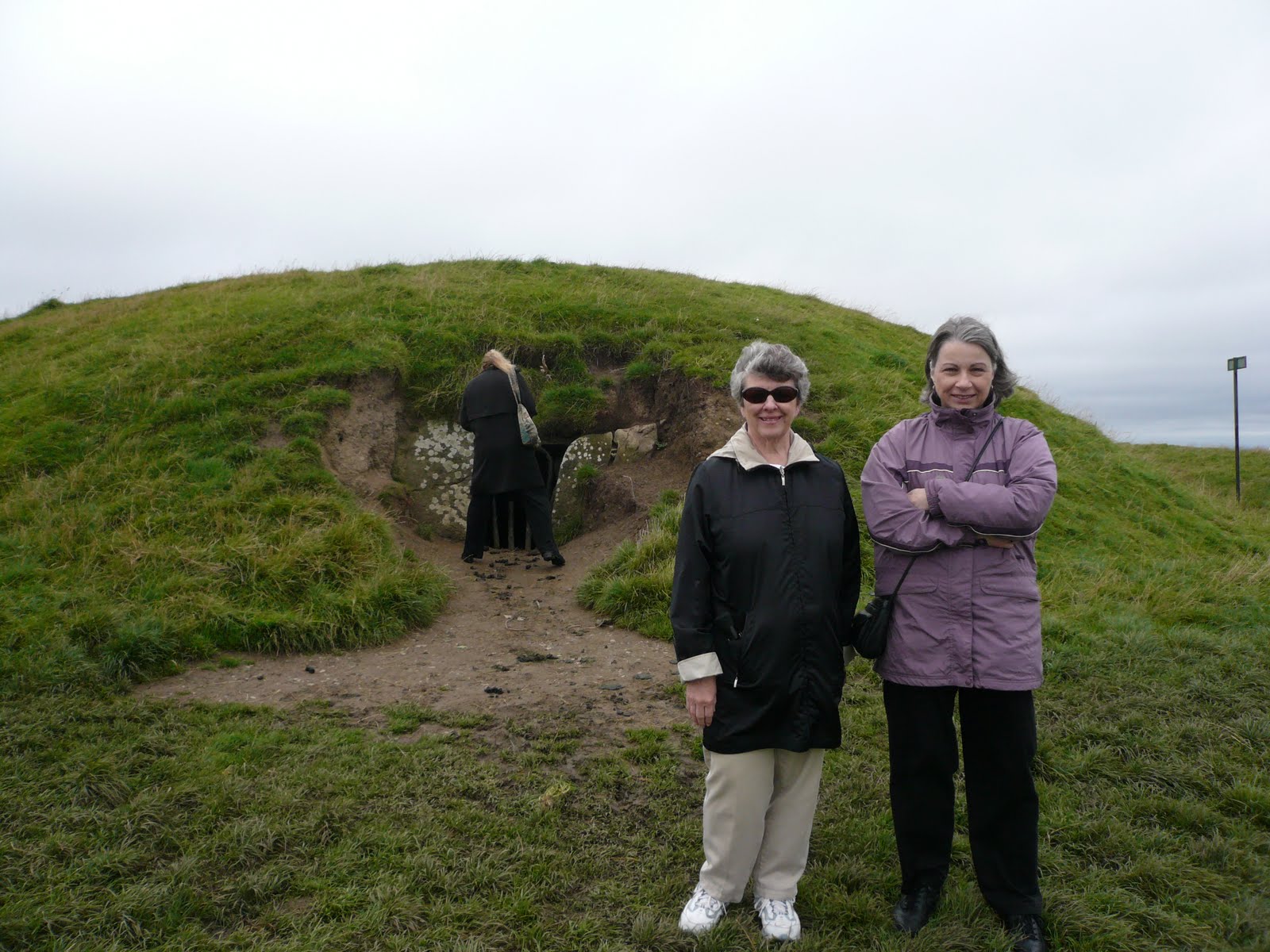
By the next morning, our ship had crossed the Irish Sea and berthed in Dublin Port. We set out early with my aunt and uncle for a day trip back in time, to the royal county of Meath. Our tour began with a visit to the Hill of Tara, seat of the High Kings of Ireland. Here we are with the Lia Fáil, the Stone of Destiny, said to roar when the rightful High King touched it, though it remained silent beneath our reverent touch. Our knowledgeable tour guide described the standing stones, King Cormac's House, and the Mound of the Hostages, pictured to the right behind Diane and me. Despite years of excavation, much remains unknown about this mystical site.

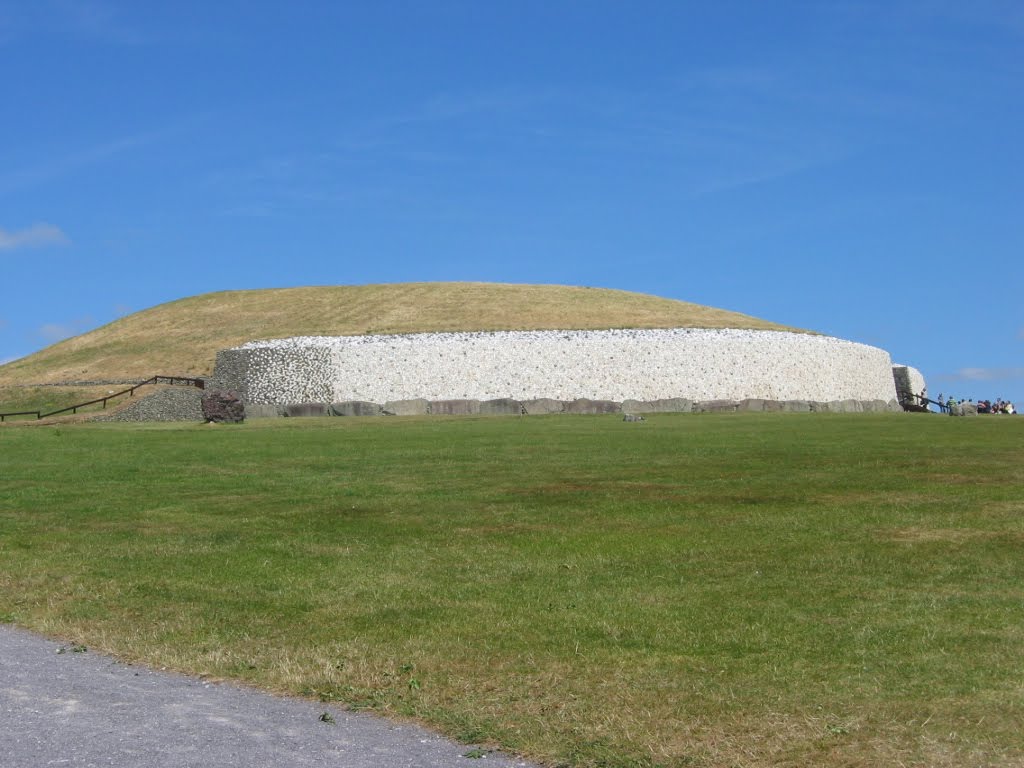
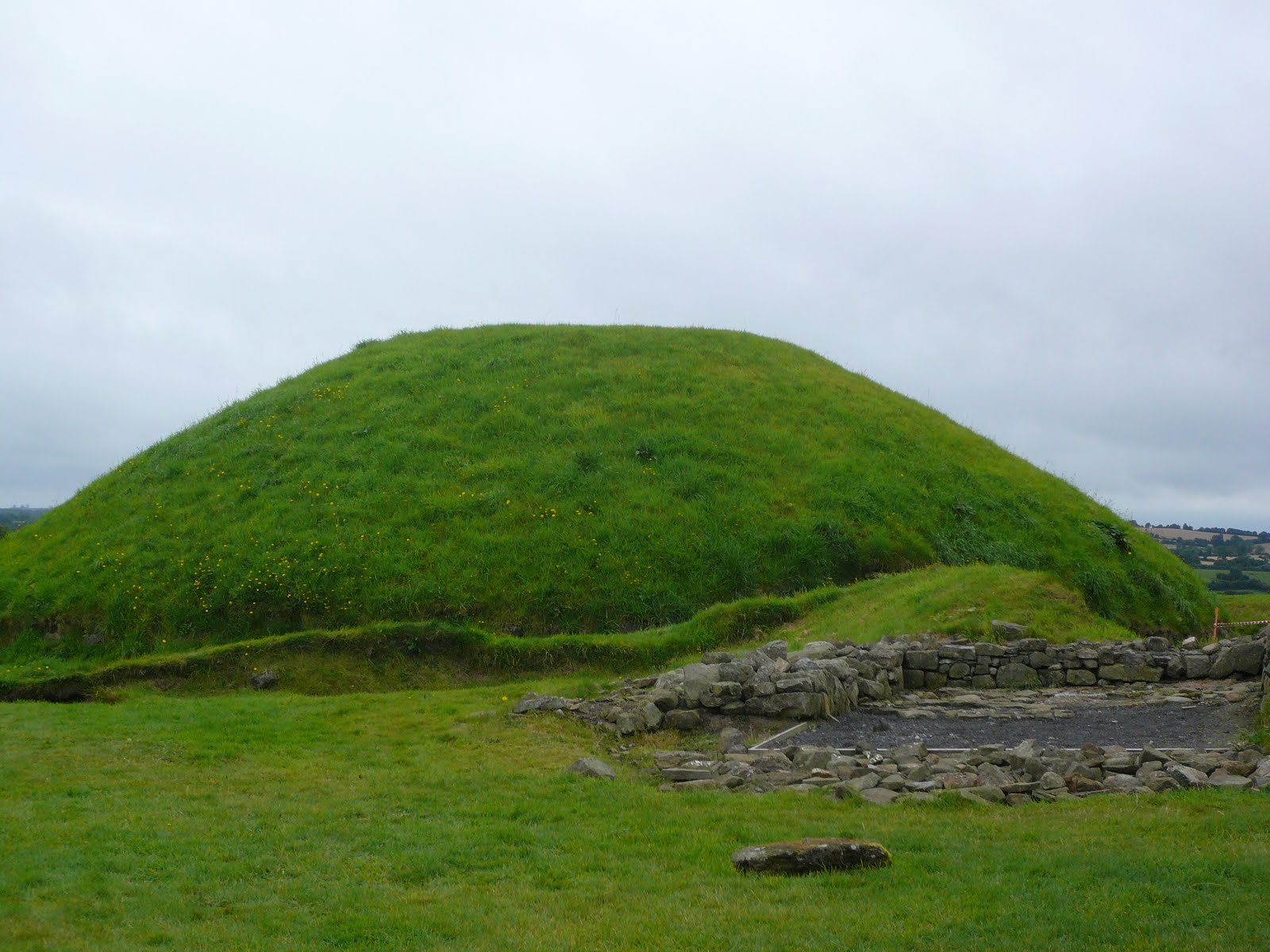
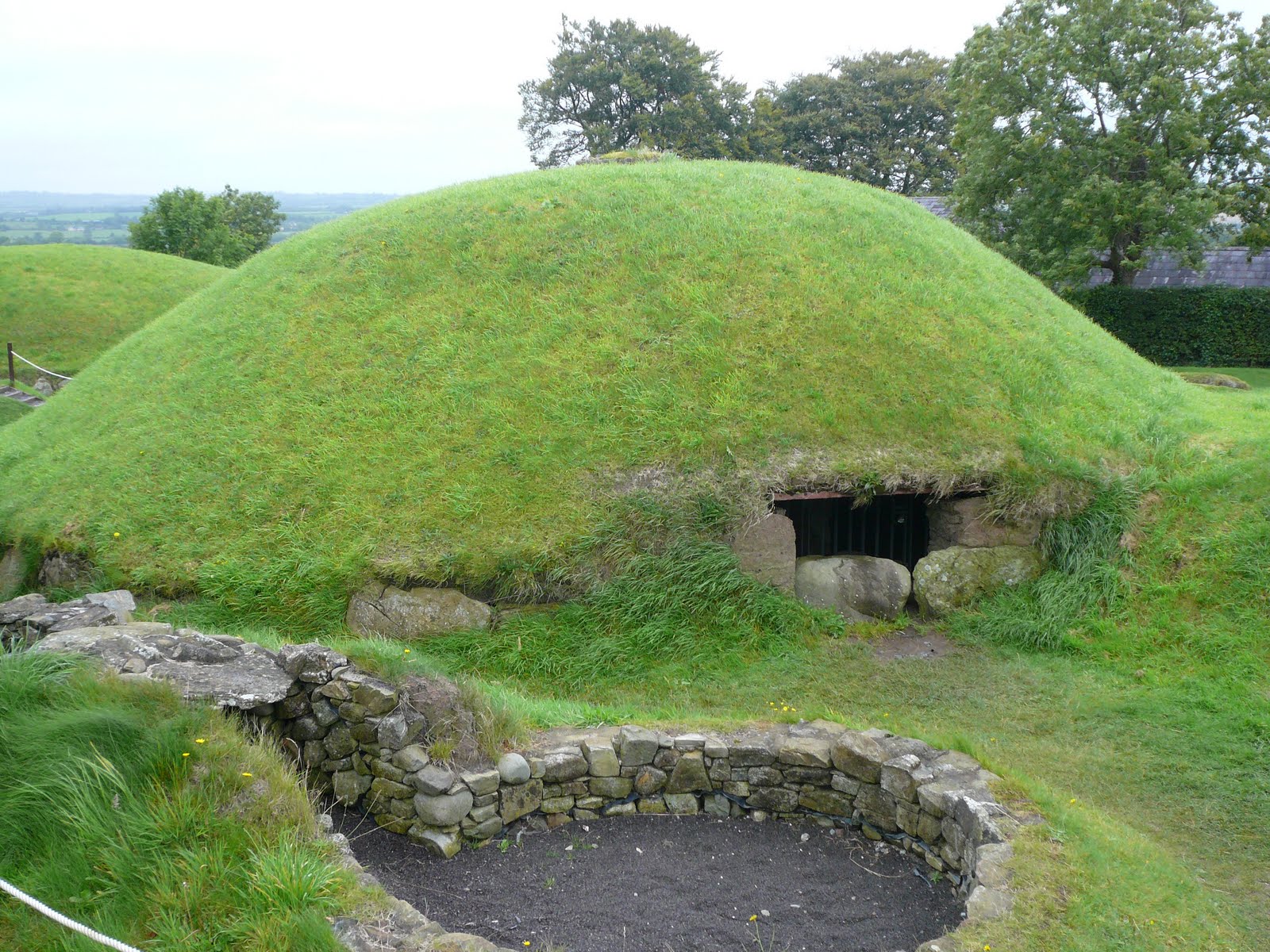
Our next stop was UNESCO World Heritage Site Brú Na Bóinne, Irish for the Palace of the Boyne, often referred to as the Bend in the Boyne, more commonly known as the Boyne Valley. This fertile area of County Meath contains the remains of forty or so neolithic passage tombs built around 3,000 B.C., which makes them over 5,000 years old, older than the pyramids of Egypt. The enormous megalithic tombs of Newgrange (pictured), Knowth, and Dowth dominate the landscape. Mike and I had visited Newgrange twice, but this was our first visit to Knowth, where the largest number of tombs to date have been excavated. The ancient people who built them constructed the famous facade of Newgrange from white quartz they quarried fifty miles south in the Wicklow Mountains.

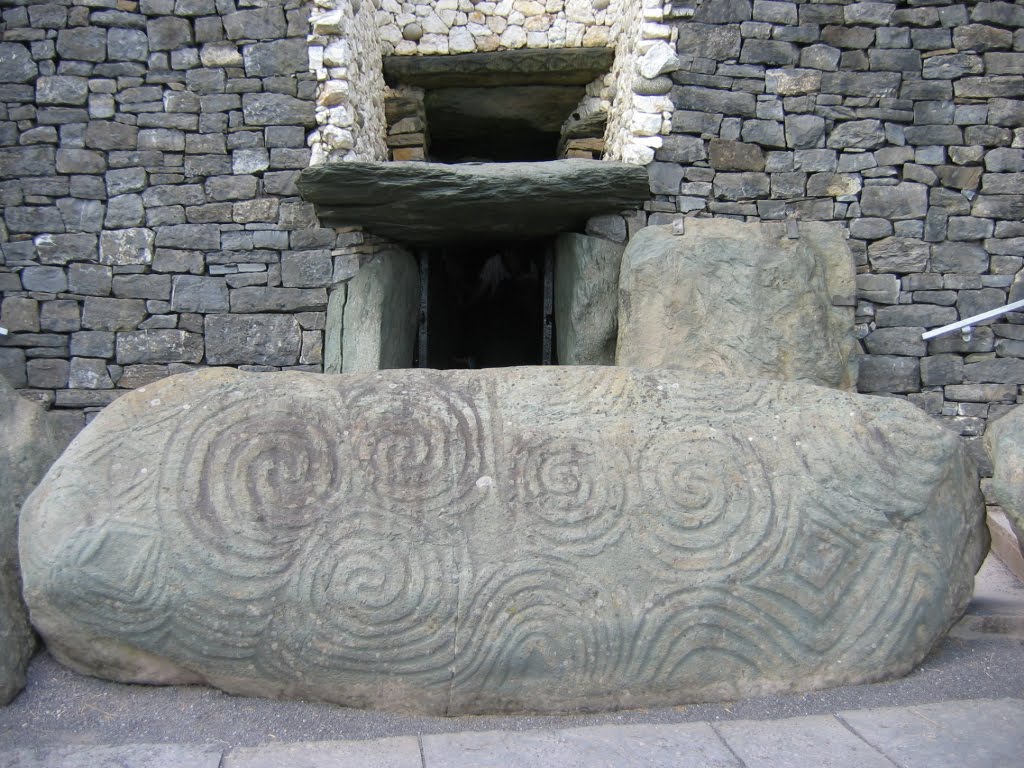
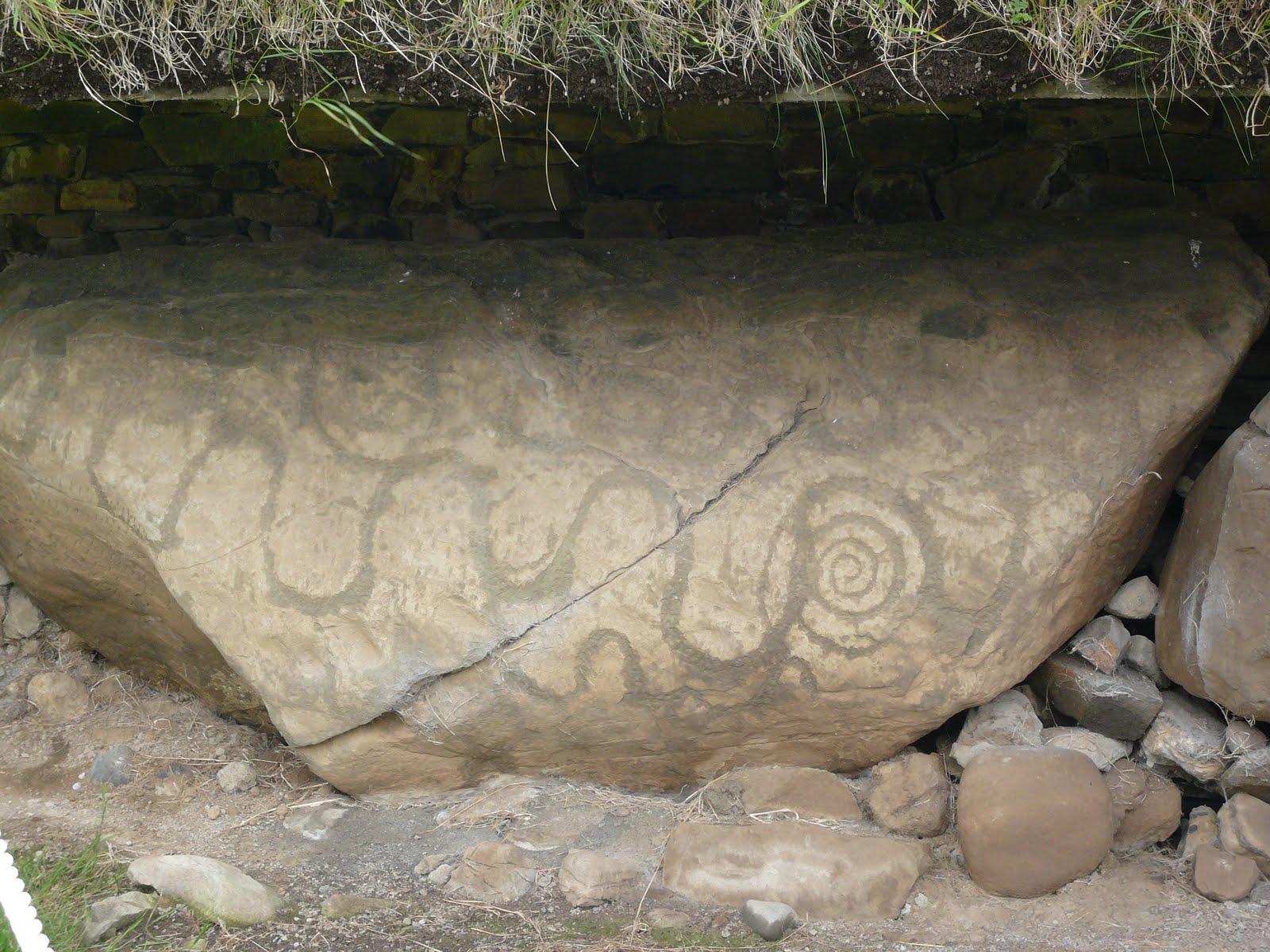
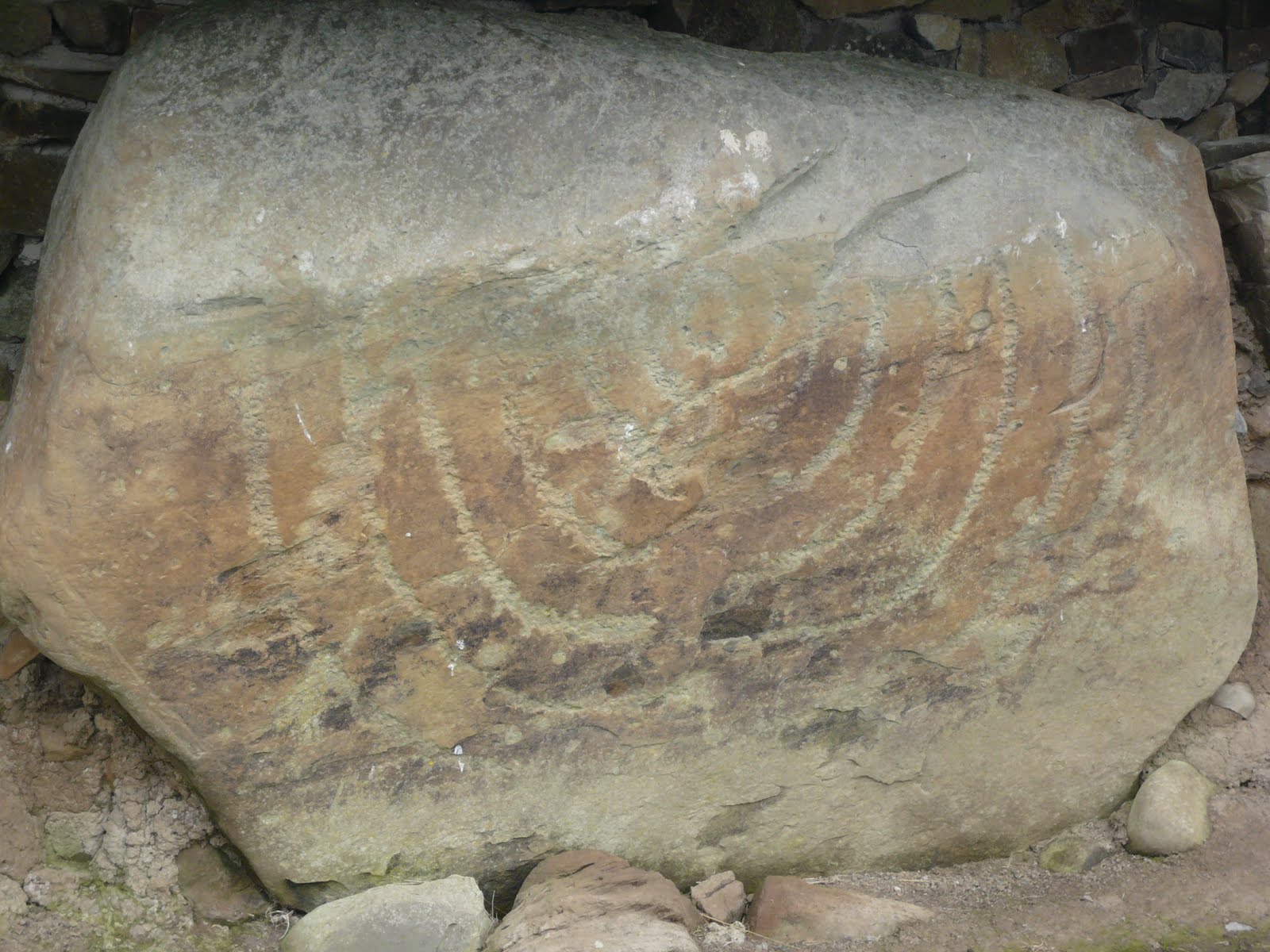
Passage tombs are found throughout Atlantic Europe, particularly in France and Brittany. They are circular mounds containing a passage and at least one chamber. The mounds are encircled by kerb stones, many of which display mysterious designs and carvings.

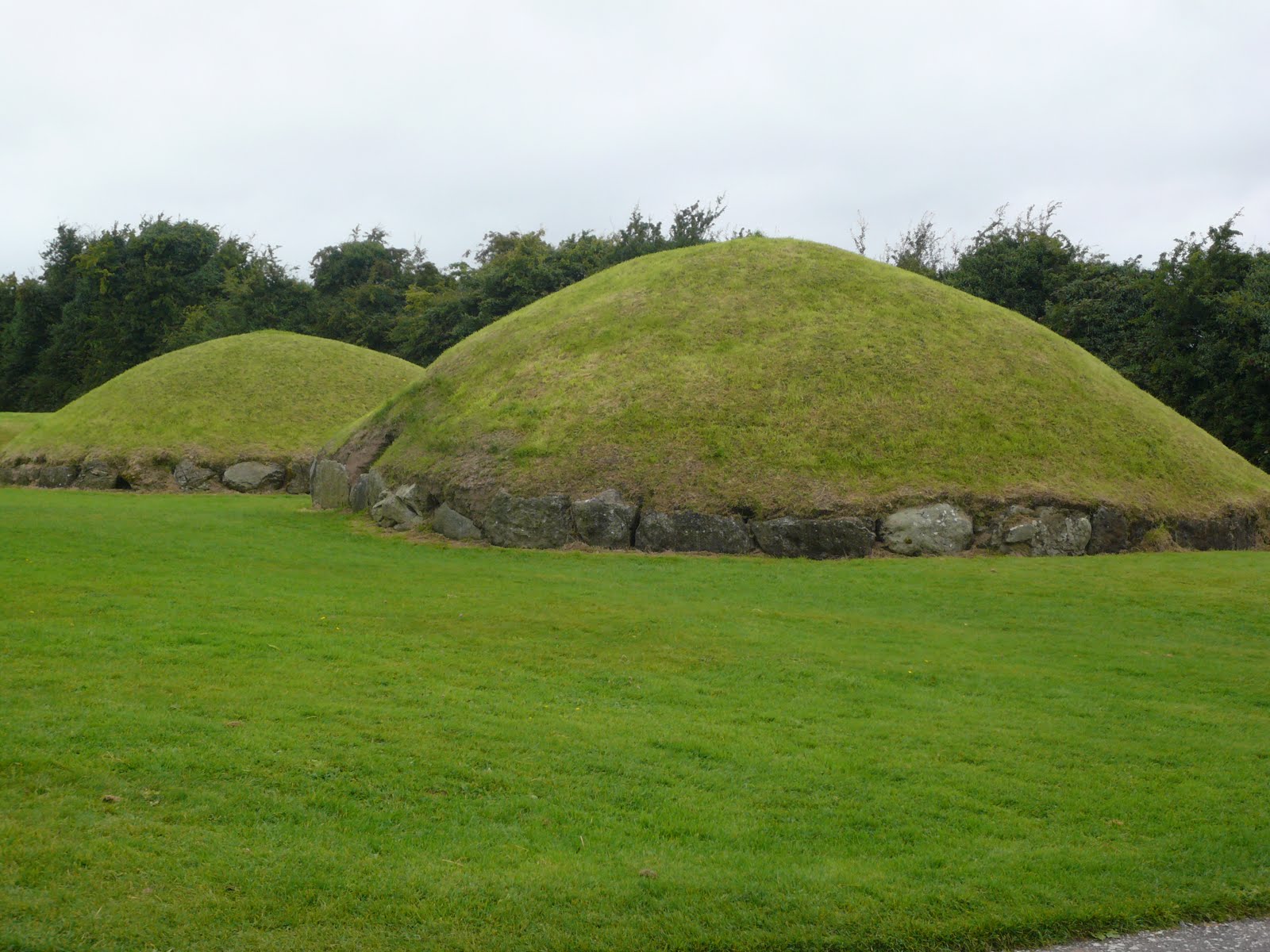
The Knowth complex lies at the western end of Brú Na Bóinne. The massive passage grave is ringed by 127 large kerb stones decorated with neolithic artwork. Visitors are allowed partway inside for a glimpse into history. After we enjoyed the eerie sight, we climbed to the top of the mound and enjoyed a breathtaking view of the valley. Wondering how the area had looked 5,000 years ago and what the people who'd lived here were like, we wandered around the ancient mound and its eighteen satellite tombs until it was time to
return to the ship.

Thursday, September 17, 2009

The Giant's Causeway

The oldest theory concerning the origin of The Giant’s Causeway maintains that this amazing stretch of Ireland’s North Antrim coast is all that remains of a bridge formed long ago by the giant Finn MacCool to link Ireland and Scotland.

The main hero of the Fenian Cycle of Irish mythology, Finn led the Fianna, a band of warriors who roamed around Ireland in the third century AD.

Finn shows up in many entertaining tales. The legend concerning the Causeway depicts him as a mighty giant seeking to do battle with his rival, the Scottish giant Benandonner. Being a hospitable sort, Finn set a series of huge stepping stones across the Irish Sea to allow Benandonner to come over to fight without wetting his feet. But when Finn saw the monstrous size of the approaching giant, he ran home and asked his wife to hide him. She dressed him as a baby and placed him in a giant cradle. When Benandonner saw what he thought was an infant, he concluded that the child’s father must be huge indeed. Terrified, Benandonner fled back to Scotland, tearing up the stepping stones as he ran so Finn couldn’t follow.

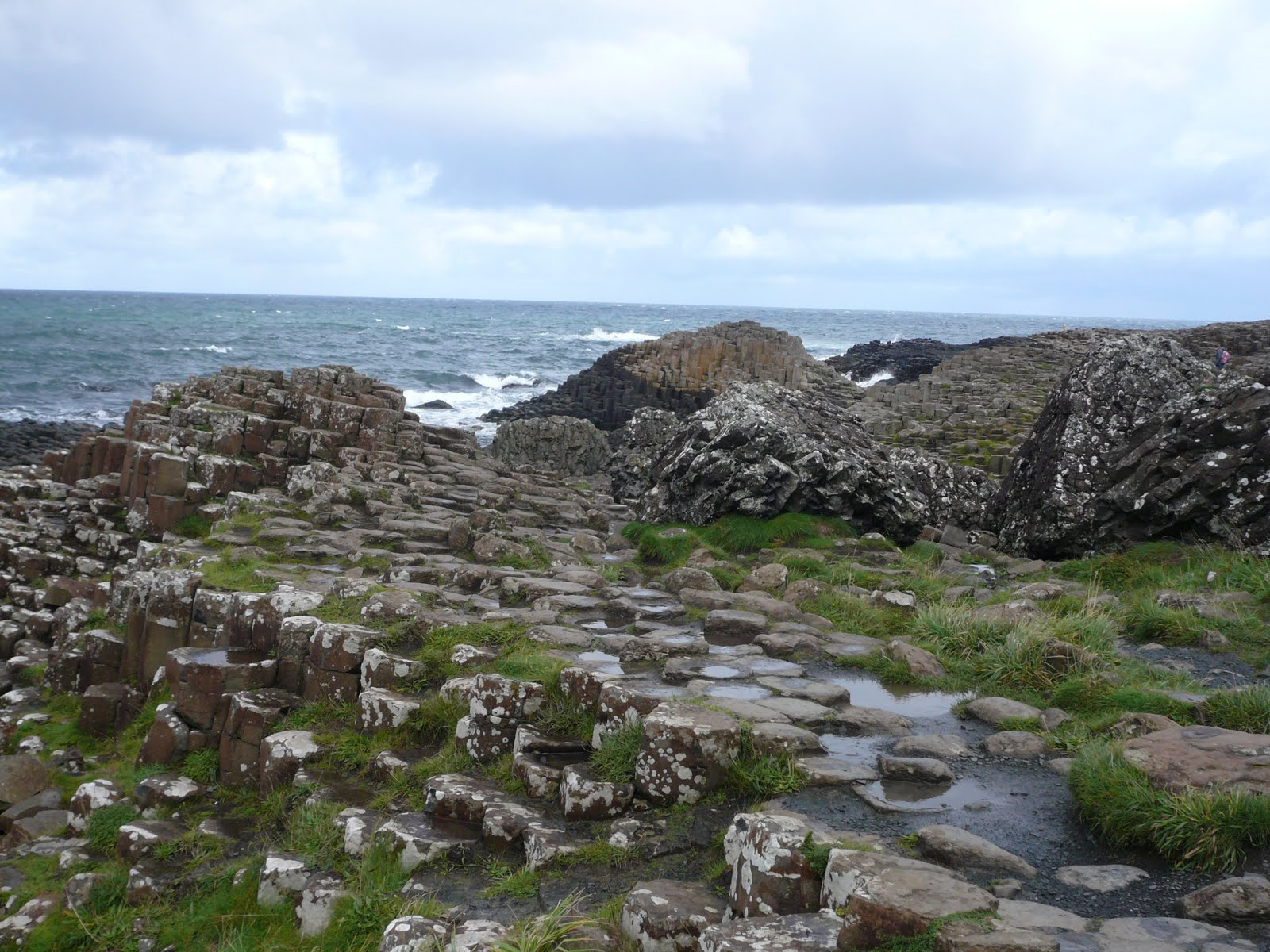
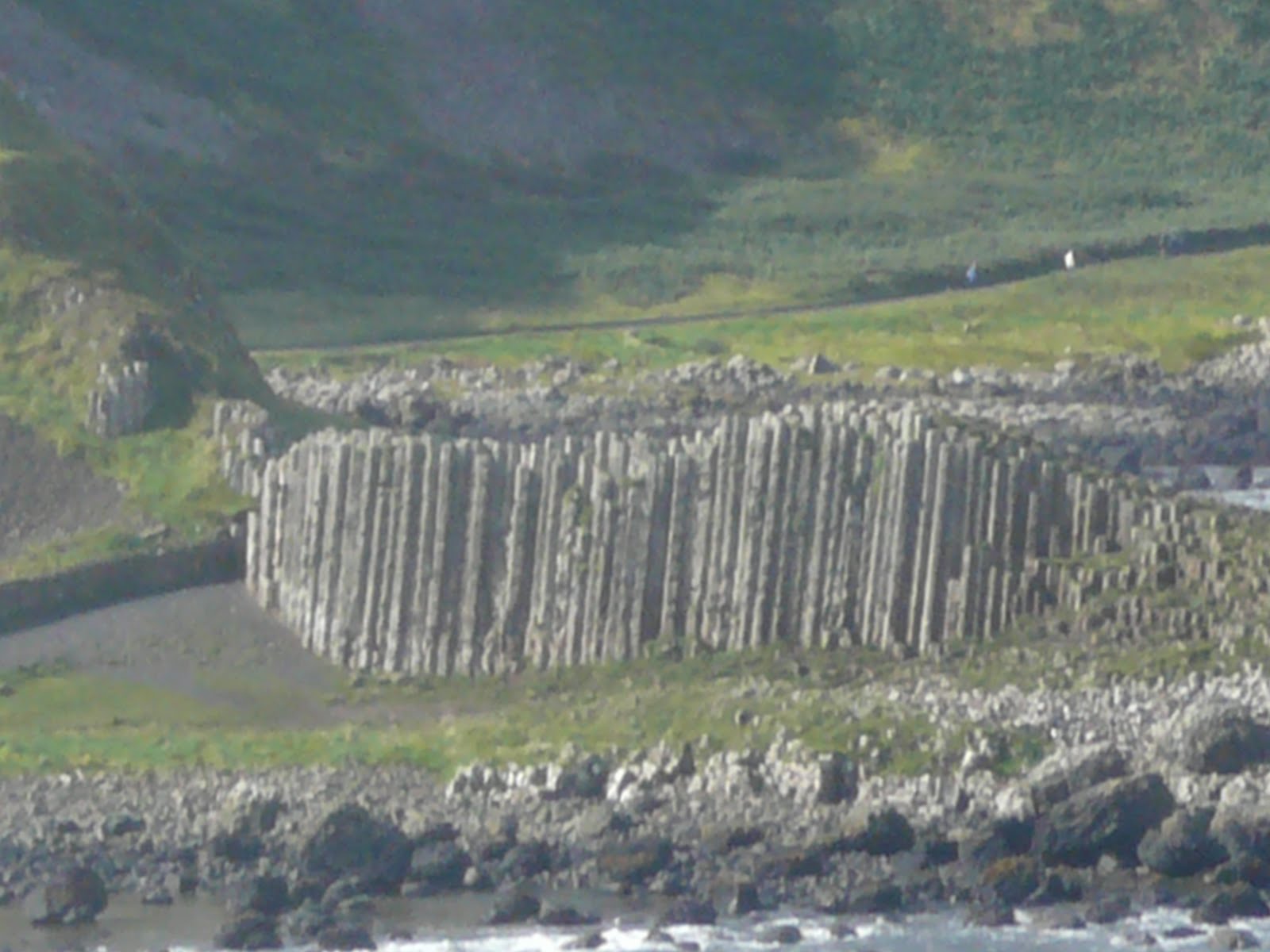
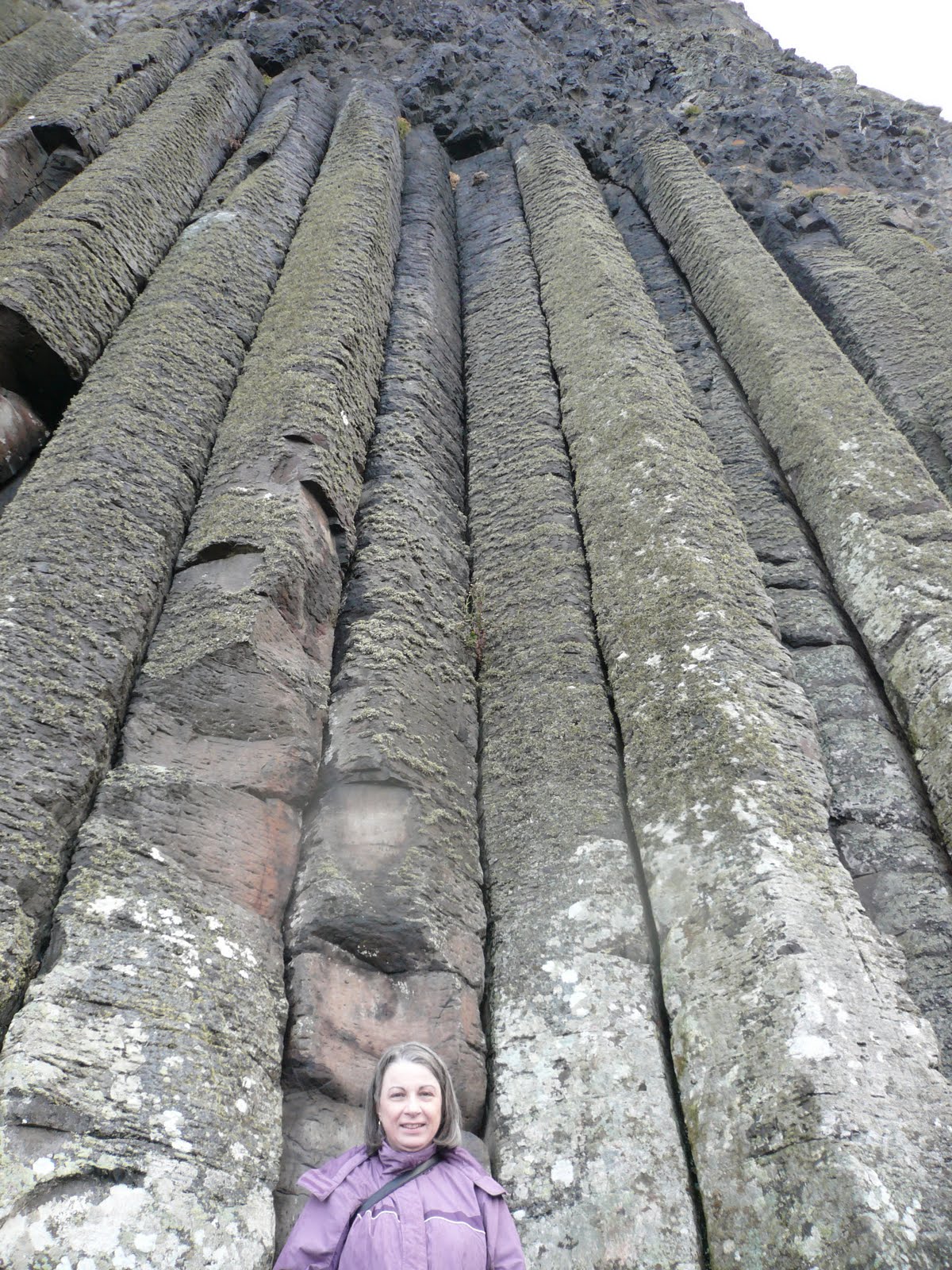
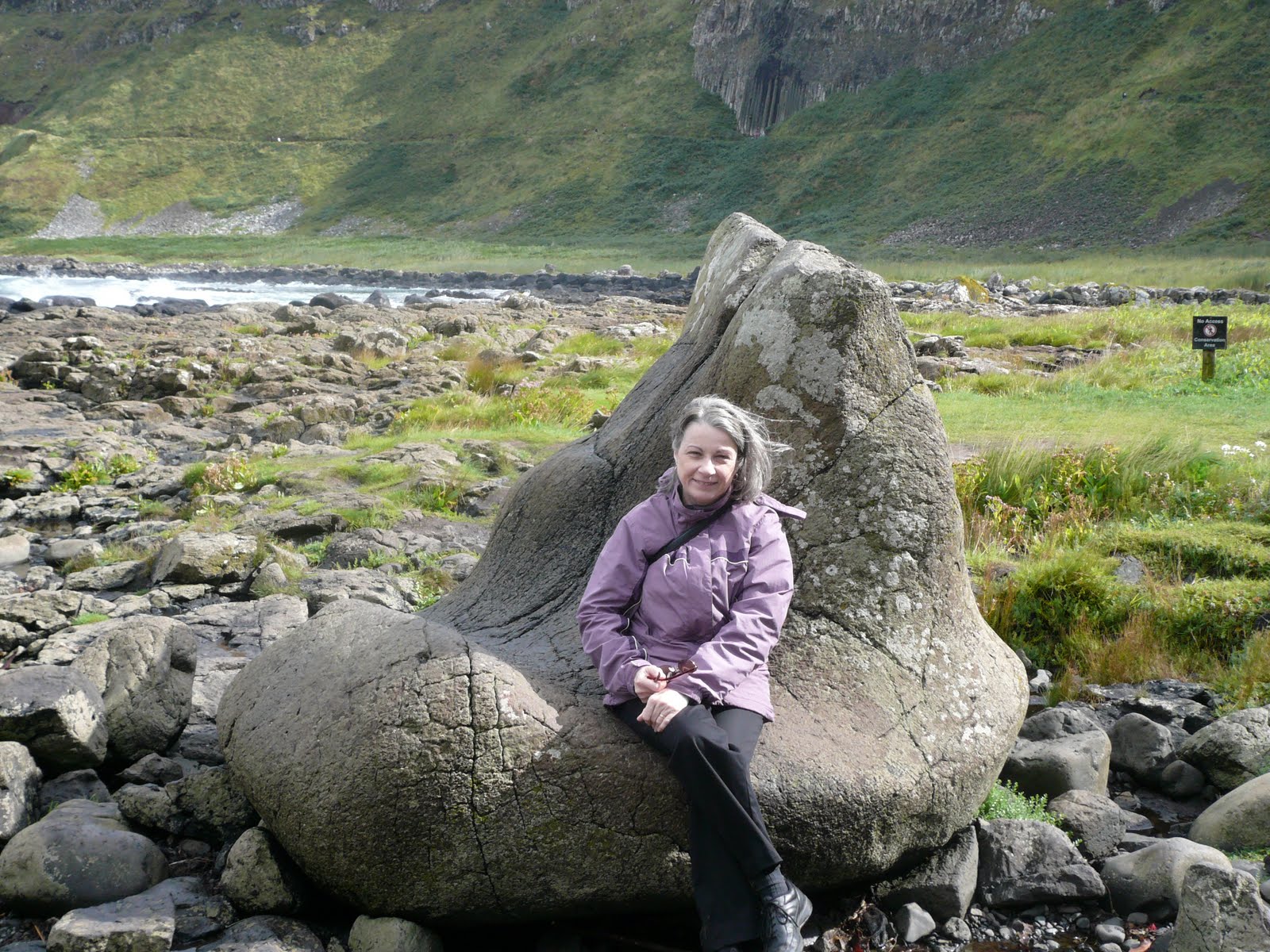
The geologists tell a less fanciful story. The Causeway is part of the Antrim Plateau, the largest lava plateau left in Europe. The massive cliffs projecting into the Atlantic Ocean are the result of volcanic activity that tranpsire 60 million years ago. Lava filled a riverbed and cooled slowly, cracking into polygonal columns and forming unusually shaped structures with intriguing names like the Giant’s Boot (pictured with me sitting in it) and the Giant’s Organ (nothing anatomical here - it seems Finn created a pipe organ for his son Oisin to play).

Our visit to the Causeway, a World Heritage site we’ve wanted to visit for years but couldn’t seem to fit into our travels, was a shore excursion offered by our cruise line. We visited Antrim during typical Irish weather: blue skies one minute, rain the next. Lots of folks got wet, but everyone was smiling. We saw several rainbows before returning to our tour bus for a drive down the lovely Antrim coast.

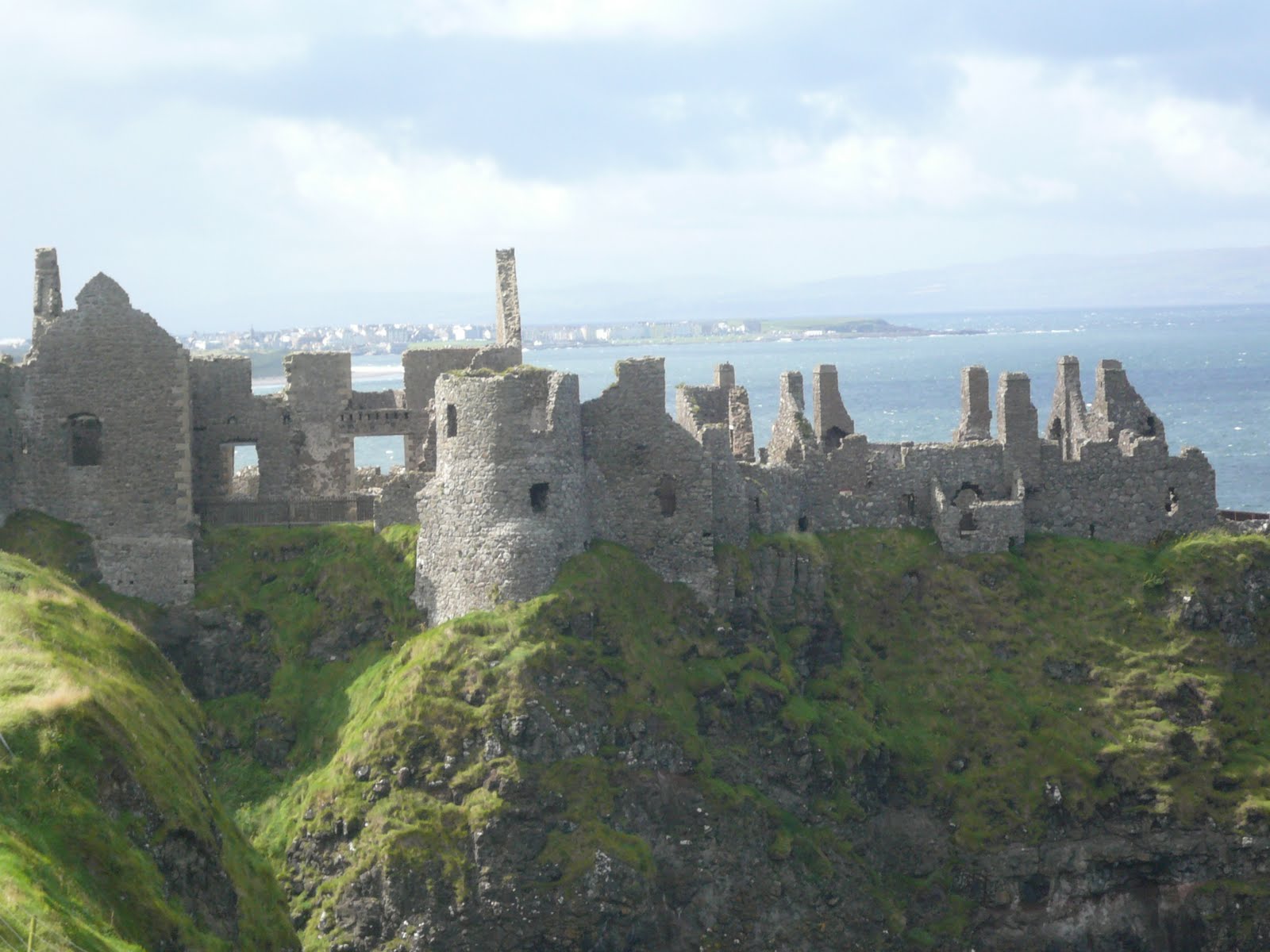
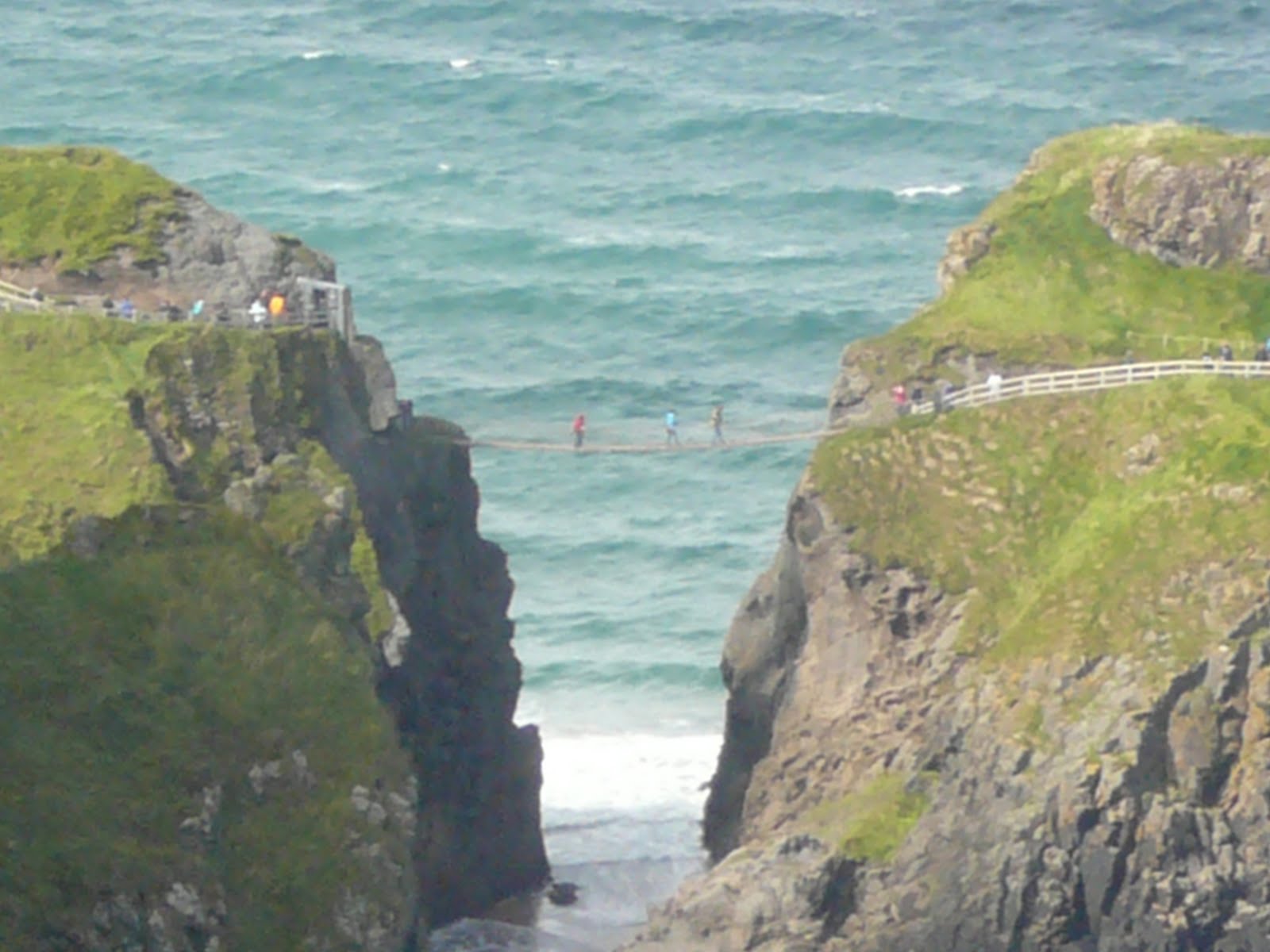
After a delicious lunch at a local hotel, we stopped briefly at the remains of historic Dunluce Castle and viewed the Carrick-a-Rede Rope Bridge, which we did not cross. Back to the ship we went to prepare for the next day’s tour: Liverpool.

View the video of the Causeway's gorgeous sweep!


Friday, September 11, 2009

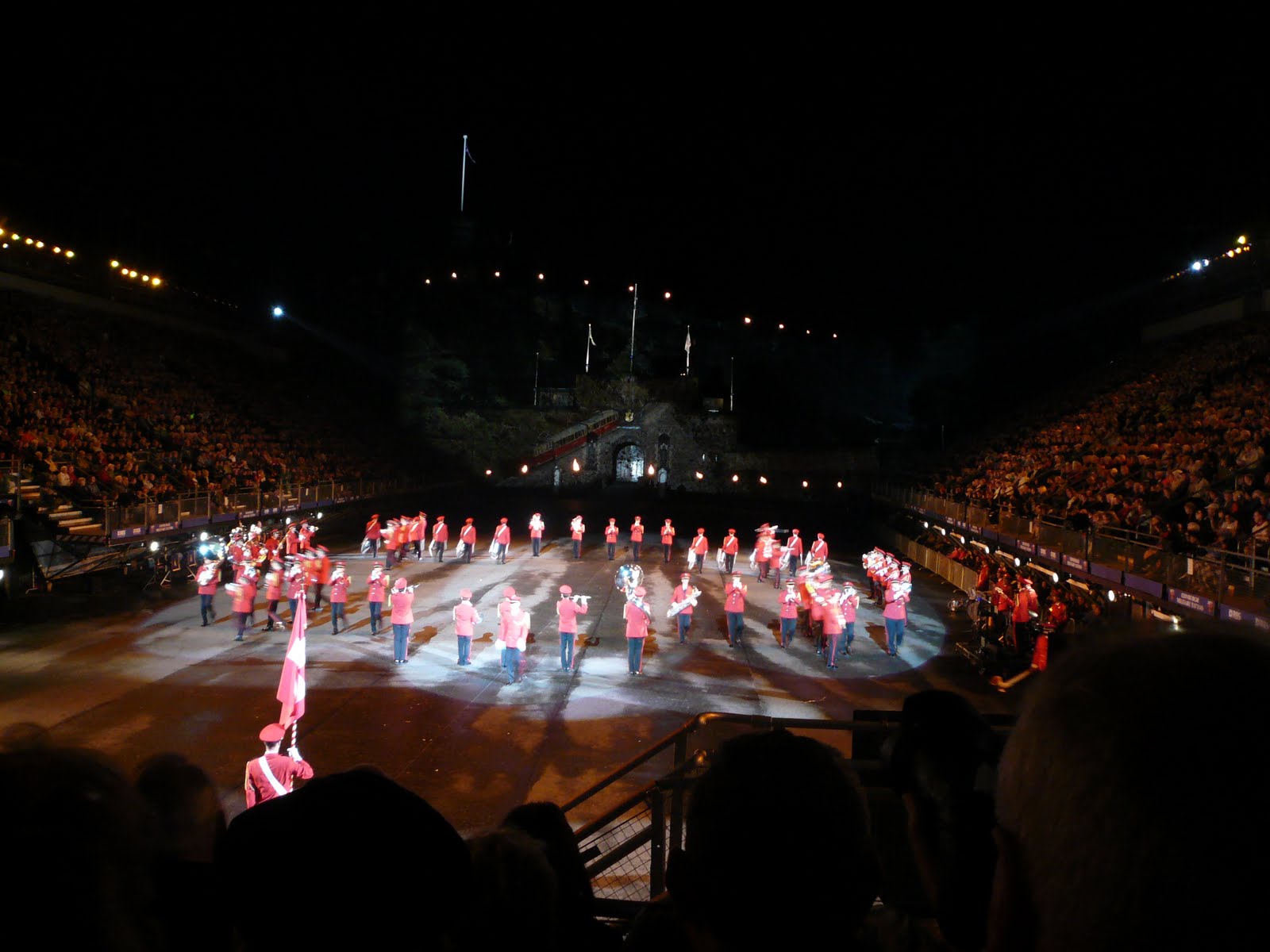
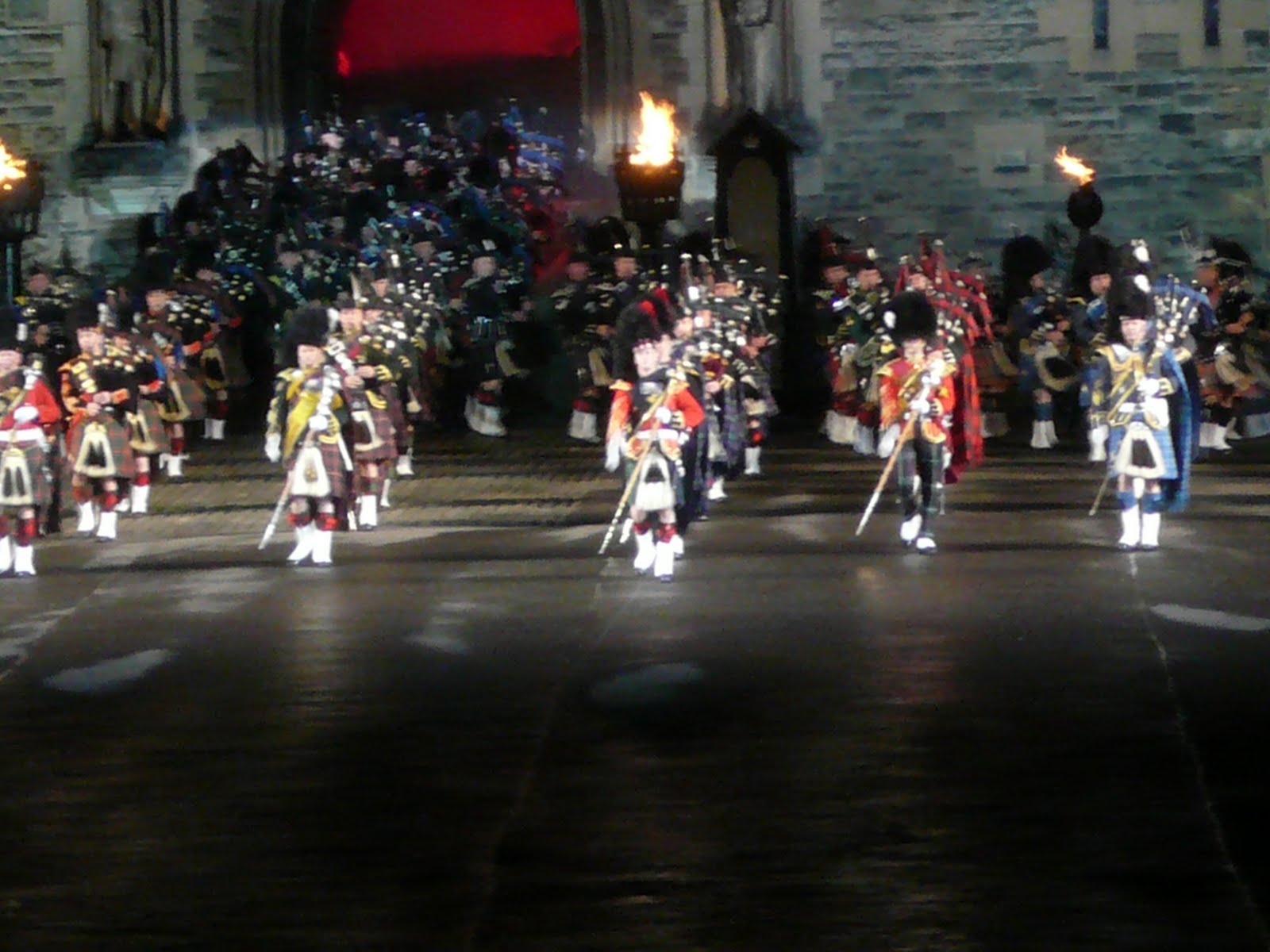
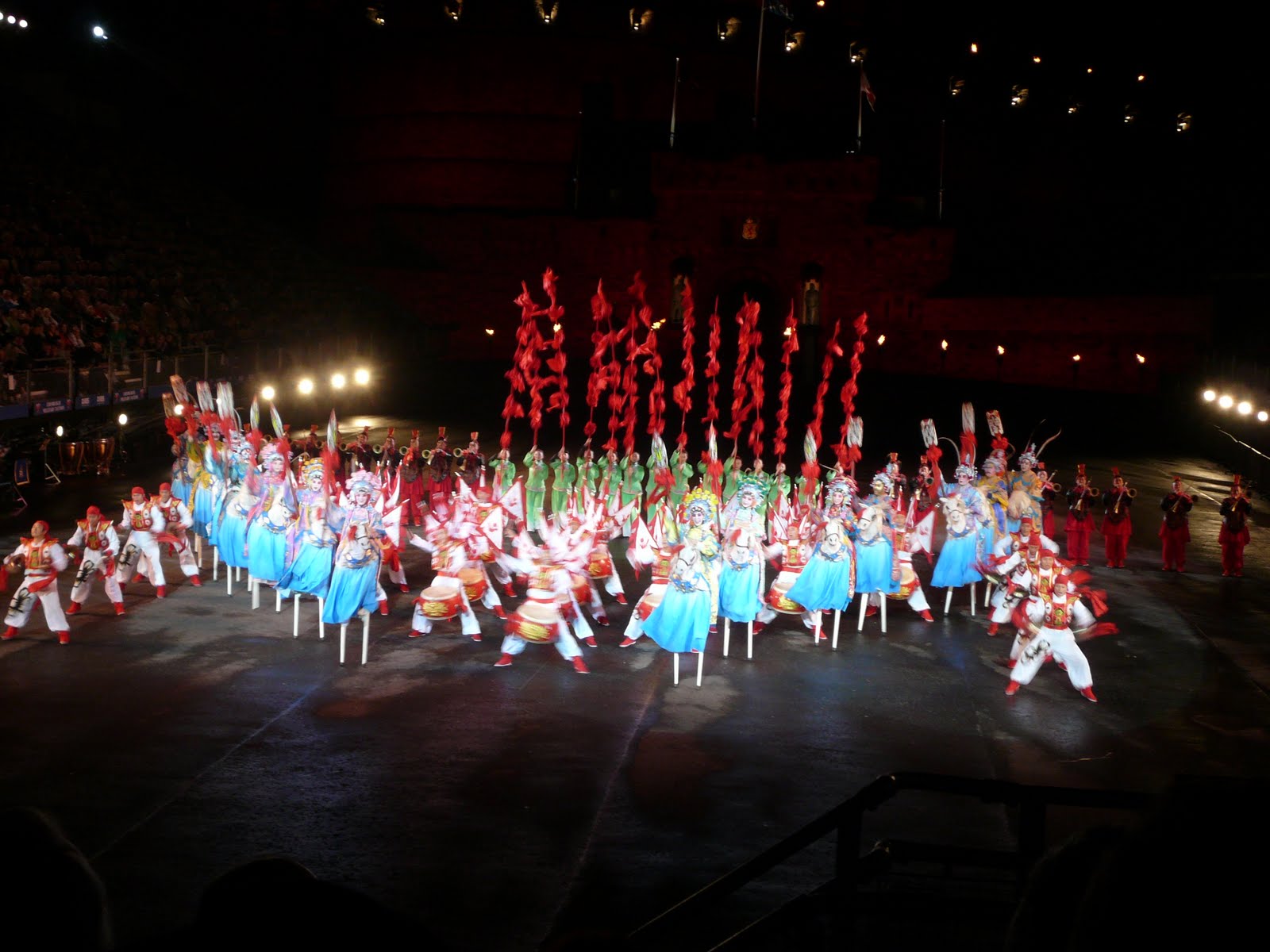
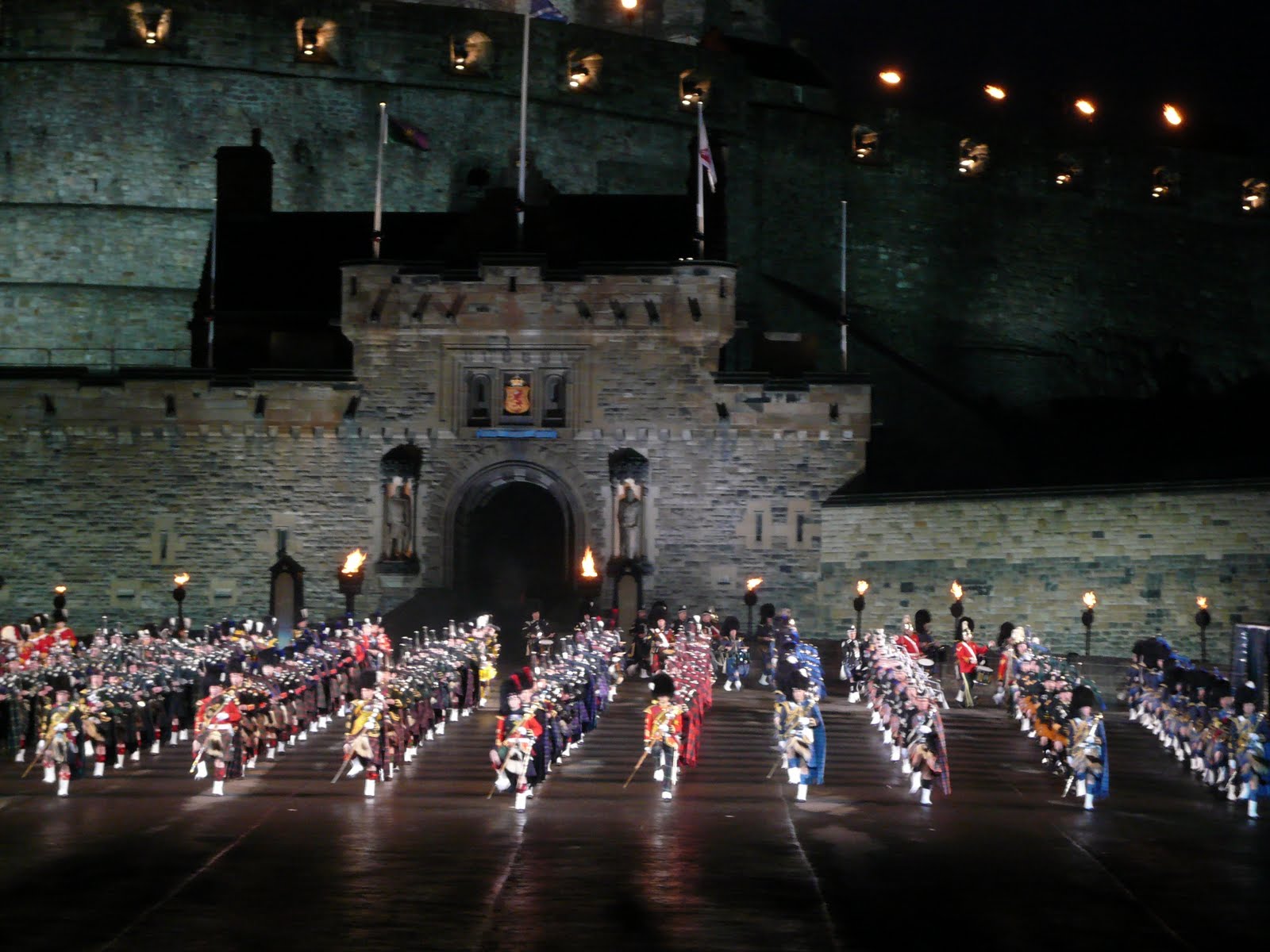
The Edinburgh Military Tattoo

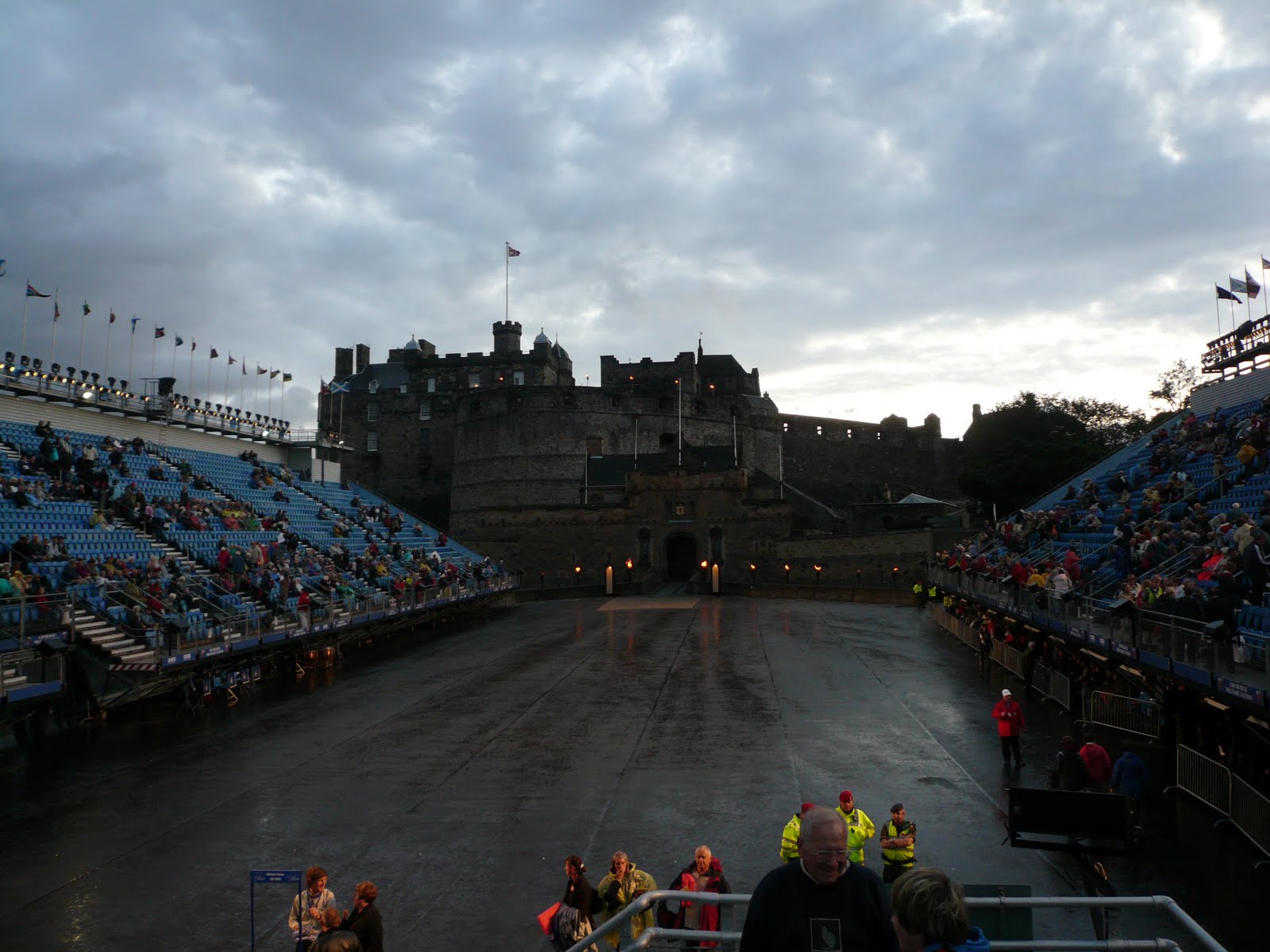
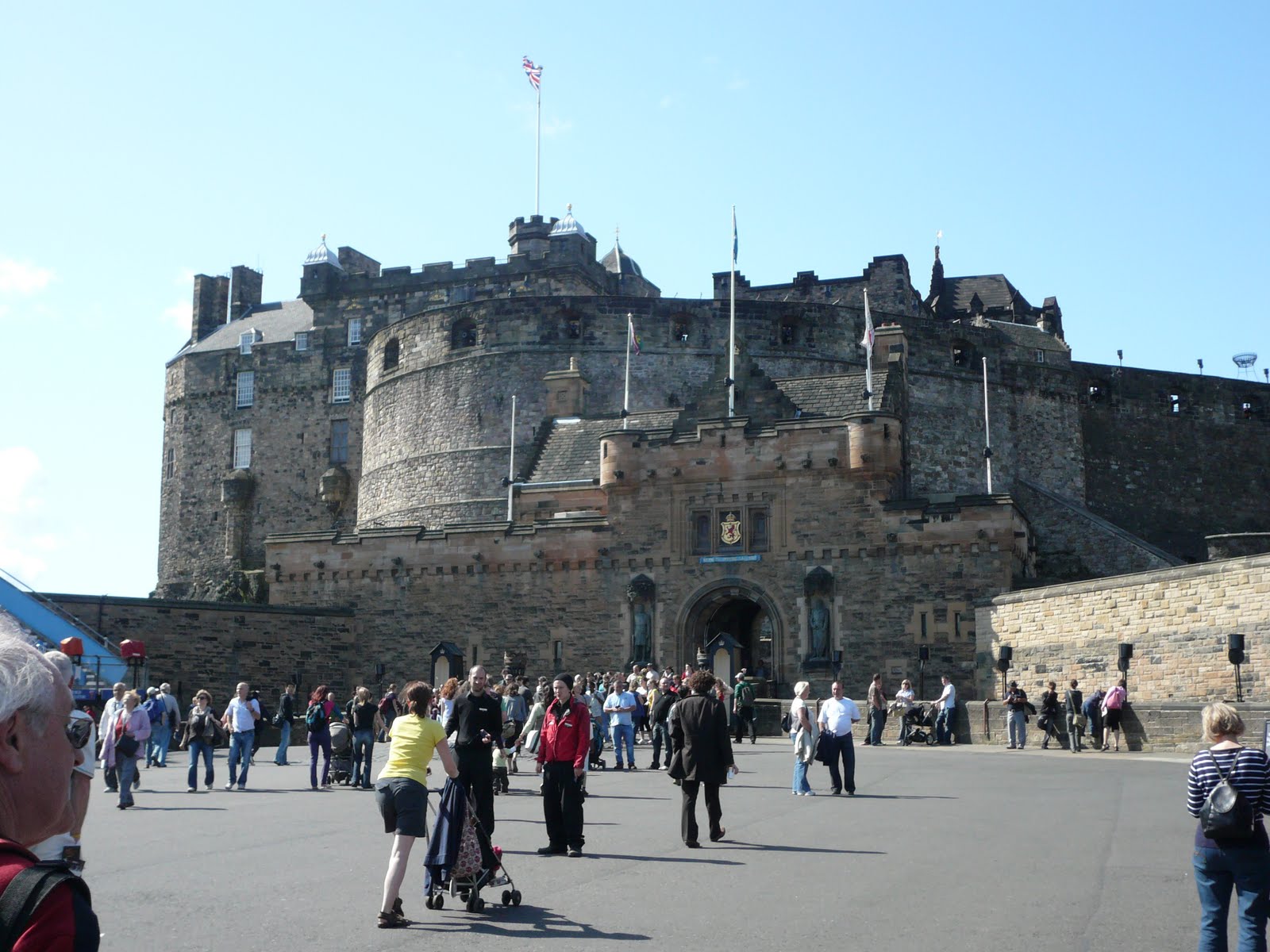
We stood in a long line leading up to Edinburgh Castle grateful for the hoods on our jackets. A round of Scottish showers dampened everything but our spirits. A rainbow burst across the roiling clouds as the line started moving, a good omen we hoped. The Tattoo would take place outdoors. As it turned out, the rain held off for the rest of the evening. We climbed the stands to seats facing the castle, the best seats in the house, courtesy of our pampering cruise line.

Scotland first presented The Edinburgh Military Tattoo in 1950. The Tattoo's current patron is Anne, Princess Royal. With an annual audience of over 200,000 and 100 million viewers watching on international television, this electrifying event is generally considered the biggest and best Military Tattoo in the world.

"Tattoo" in the military sense has nothing to do with puncturing the skin to create indelible designs. The word comes from "Doe den tap toe," a Dutch phrase meaning "put the tap to" or "turn off the tap." In the Lowland Countries during the 17th and 18th centuries, the cry told tavern owners it was time to turn off their ale taps. The British Army, stationed in Flanders during the War of the Austrian Succession, adopted the phrase and transformed it into a ritual performed by their drummers and pipers each night to round up their troops. The "Tattoo" soon became the last duty call of the day and eventually came to mean an evening performance by military musicians.

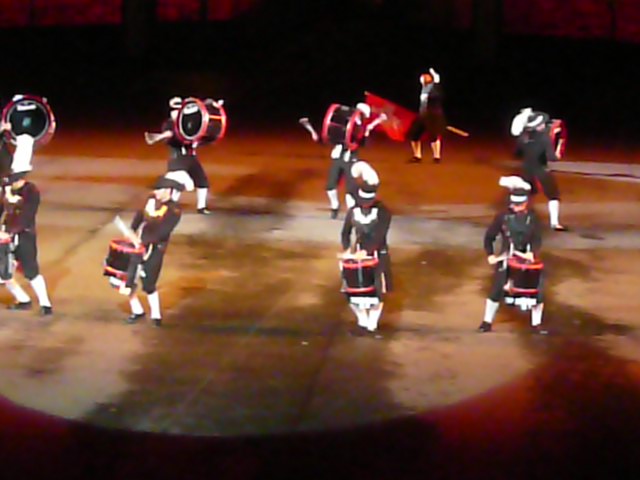
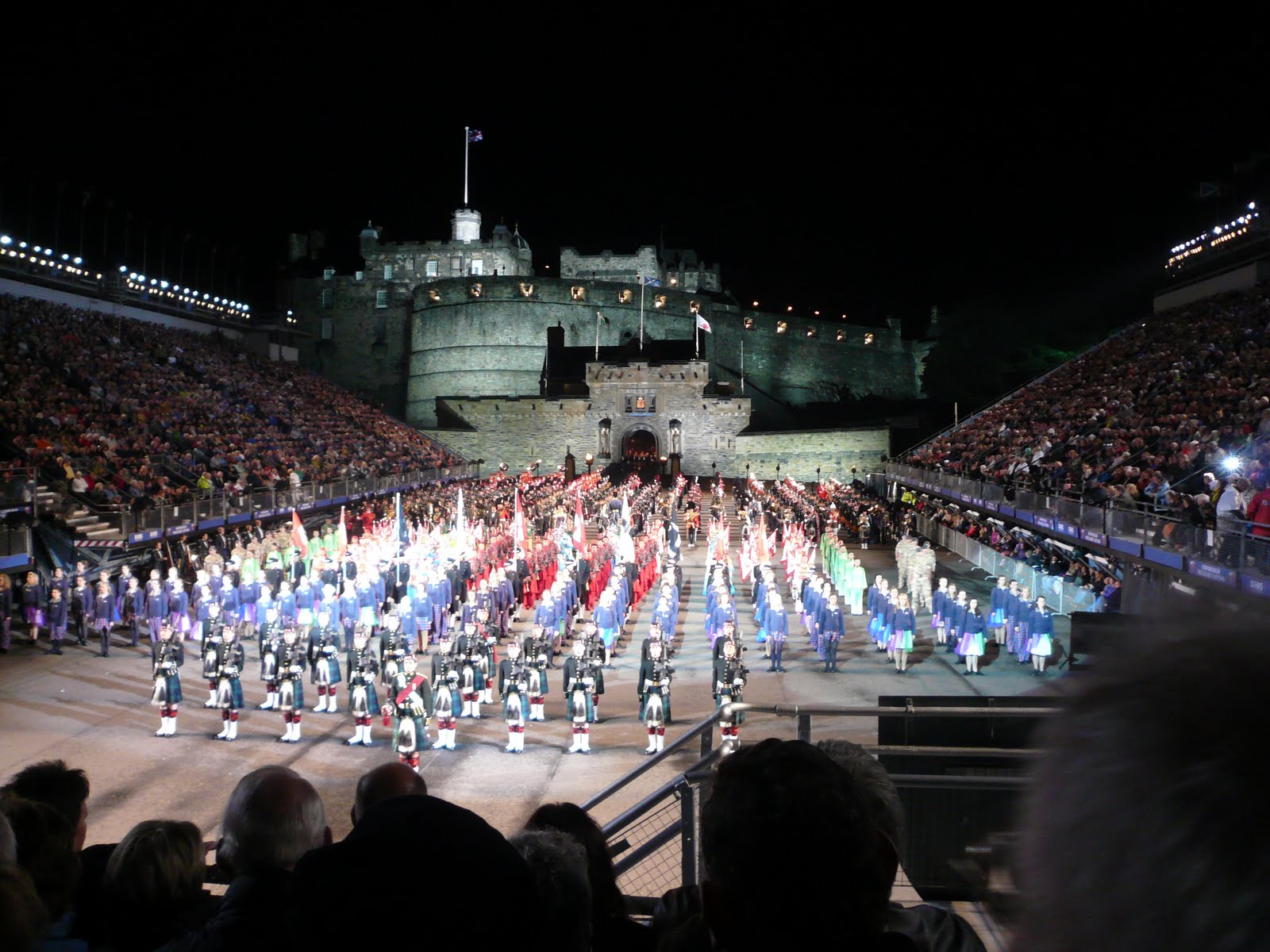
And a performance is what we got. I expected the splendid show of hundreds of kilts, bagpipes and drums. I didn’t realize we’d see military bands from all over the world, including the South Sea Island of Tonga, Switzerland, China, South Africa, and Australia. A thrilling flyover by a Royal Air Force jet began the show. Marching bands then entered the esplanade with the torchlit castle providing a backdrop for ingenious light shows and an occasional display of fireworks. This year’s Tattoo coincided with the 250th anniversary of the birth of Robert Burns, and members of the Royal Scottish Academy of Music and Drama treated us to special presentations of his songs and stories.

After the big finale, the chilling sound of the Lone Piper playing from the top of the castle signaled the end of the pageant. The March Out had everyone in the stands cheering. In high spirits, we made our way back to the ship. We'd seen The Tattoo!


Check out this video of Switzerland's Top Secret Drum Corps!

Wednesday, September 9, 2009

Cruising Into History

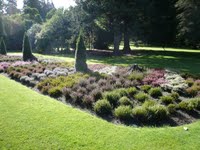
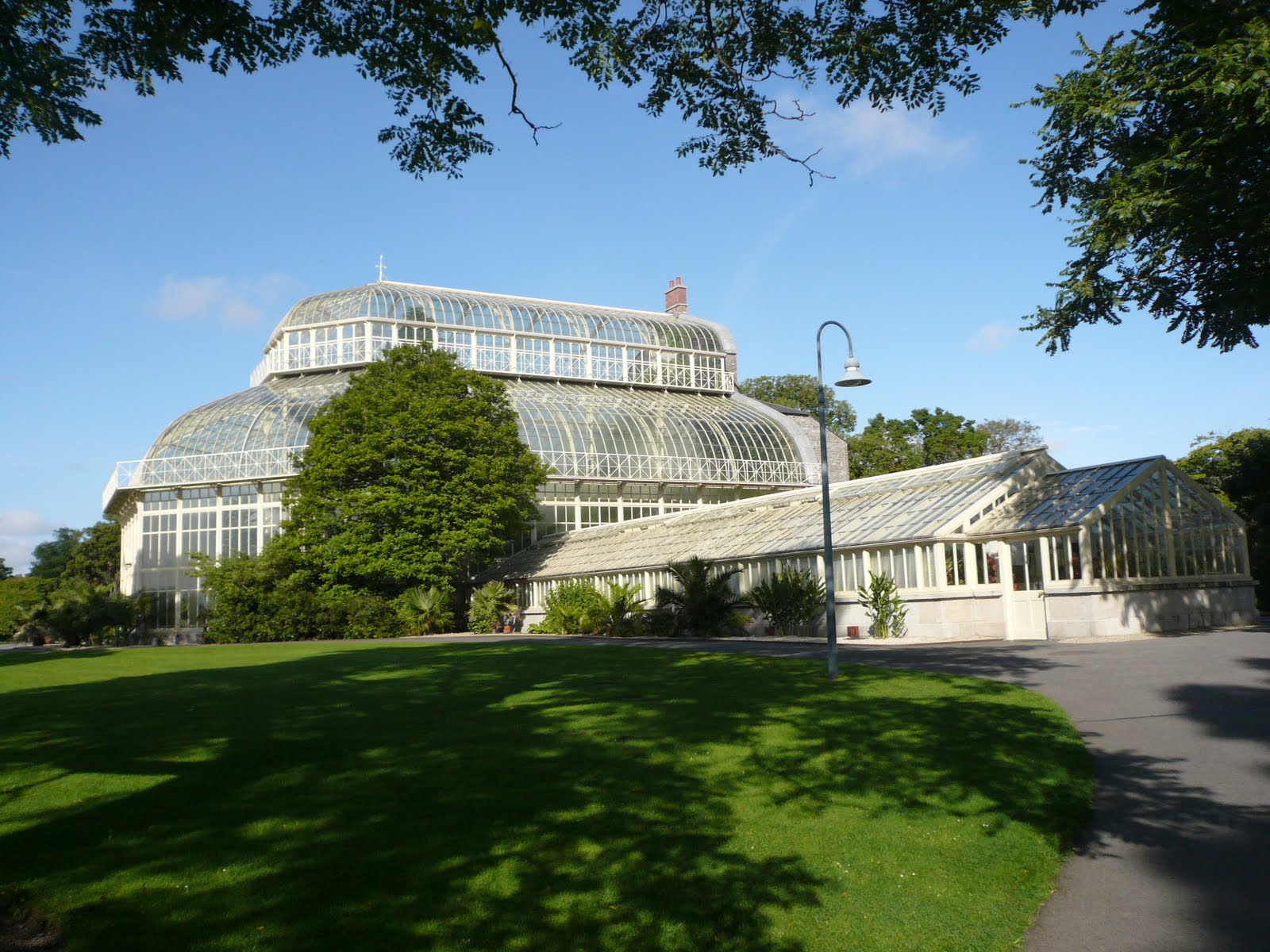
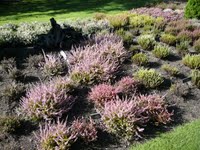
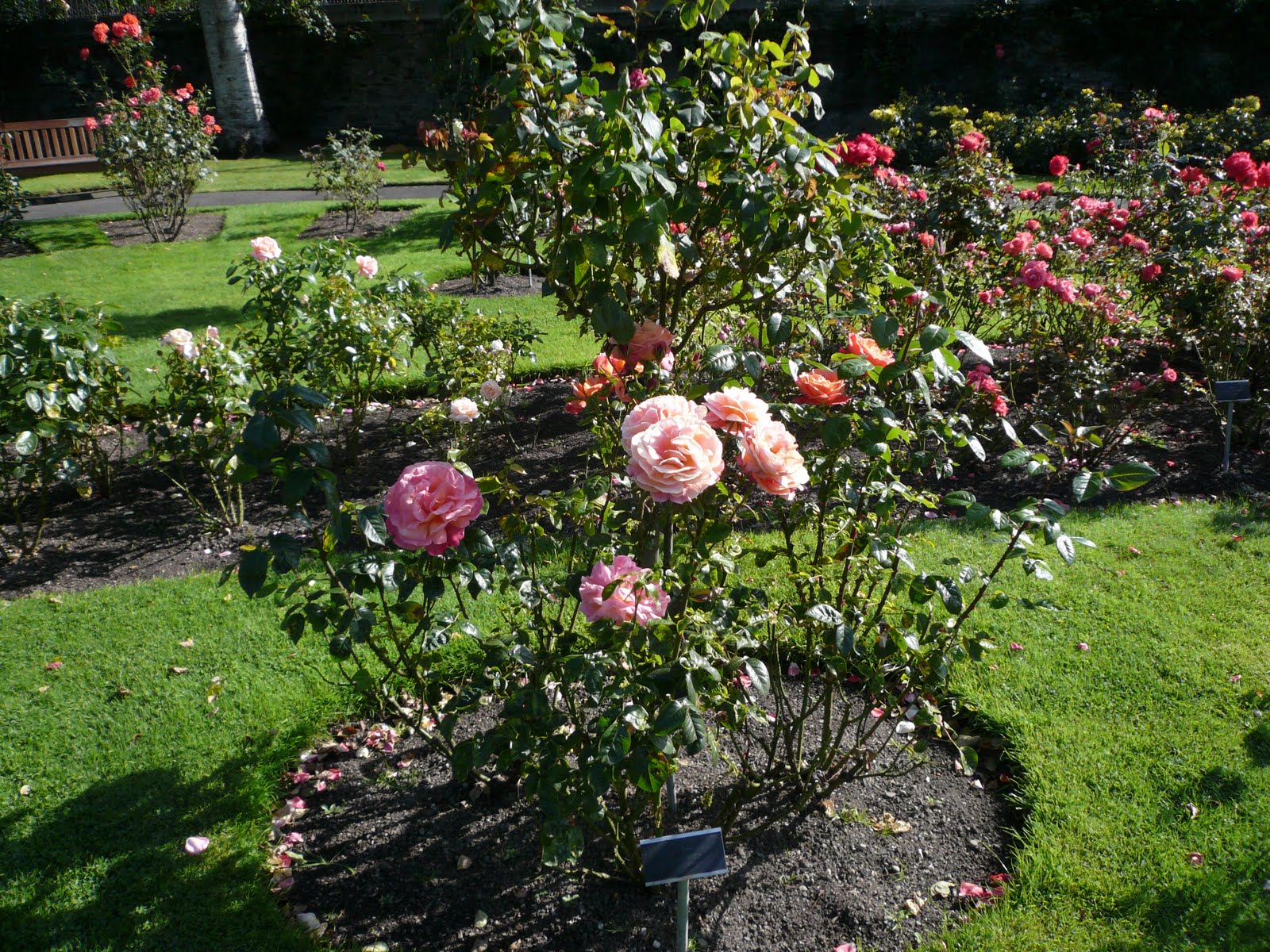
A brief but pleasant stopover in Dublin helped us acclimate ourselves to the five-hour time change between New Hampshire and the British Isles. For the better part of three days, we enjoyed our favorite restaurants and bookstores and revisited familiar spots. We also paid our first visit to Ireland’s National Botanic Gardens, established in 1795. We found this gorgeous urban retreat filled with flowers and plants from all over the world and set in a wide variety of themed gardens. Desert and tropical rainforest flora thrived in an array of greenhouses that are an adventure all their own. From the formal rose garden to the more casual marsh and woodland plantings, this Dublin paradise and its ponds were not only a joy to explore, but free of charge.
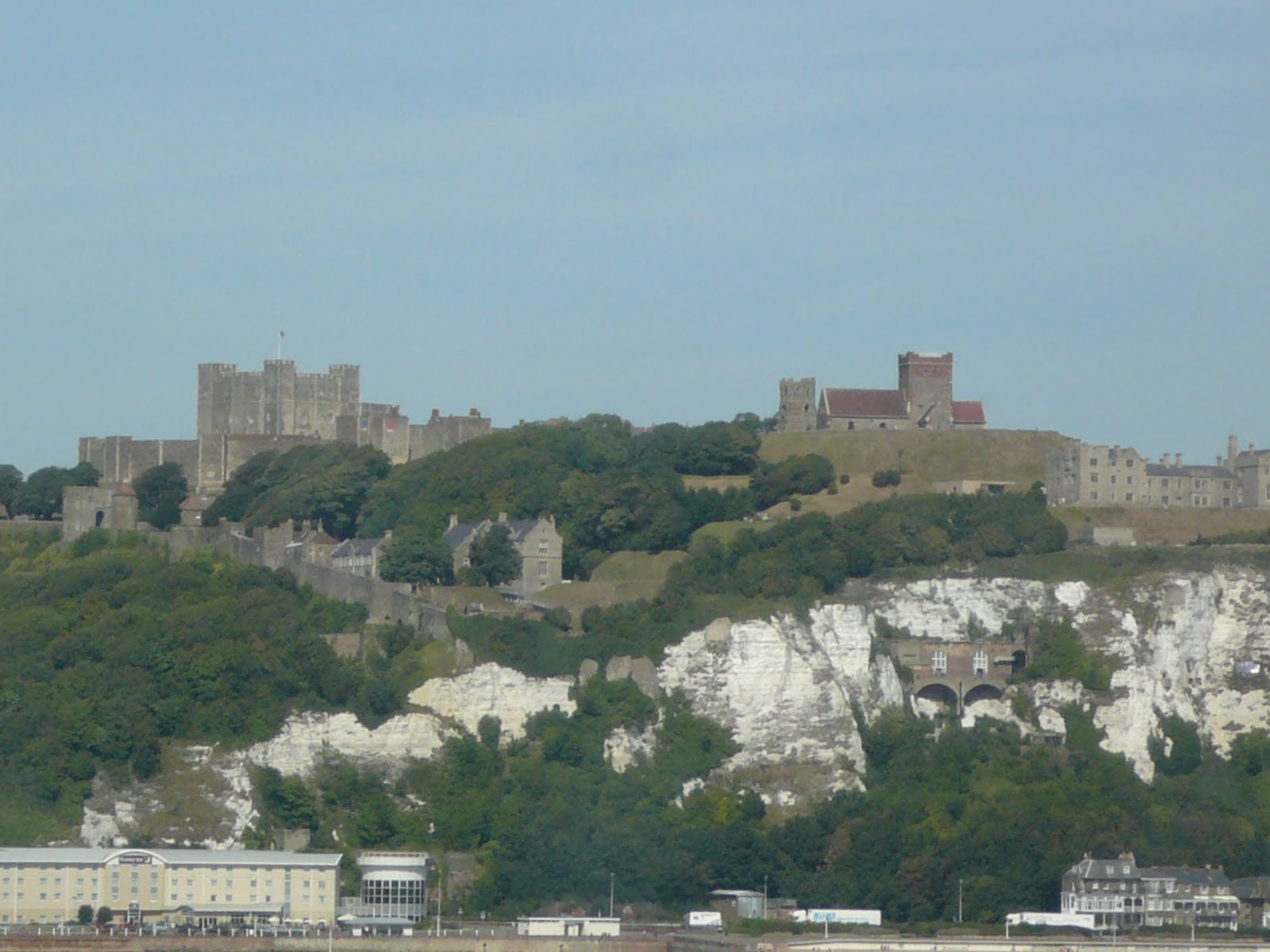
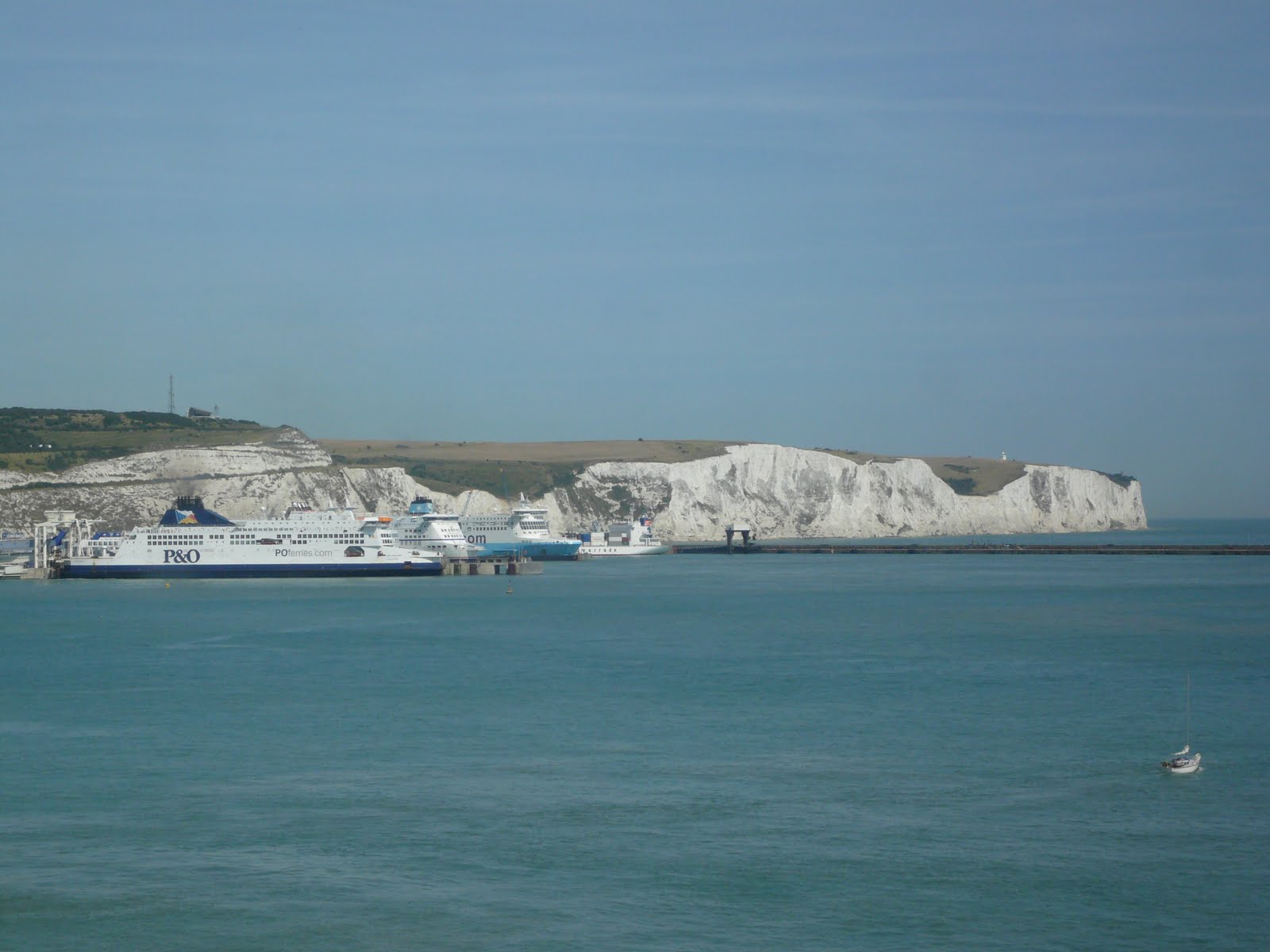
After a few sunny days in Ireland’s tourist-packed capital, we hopped an early morning shuttle to Heathrow Airport. Two Crystal Cruise reps brought us to a minivan, and we were quickly on our way to Dover with three other shipmates. When we arrived, the sight of those famous white cliffs astounded us. So beautiful, and Dover Castle atop them made it easy to visualize the area as it must have looked centuries ago, without all the modern commercialization.

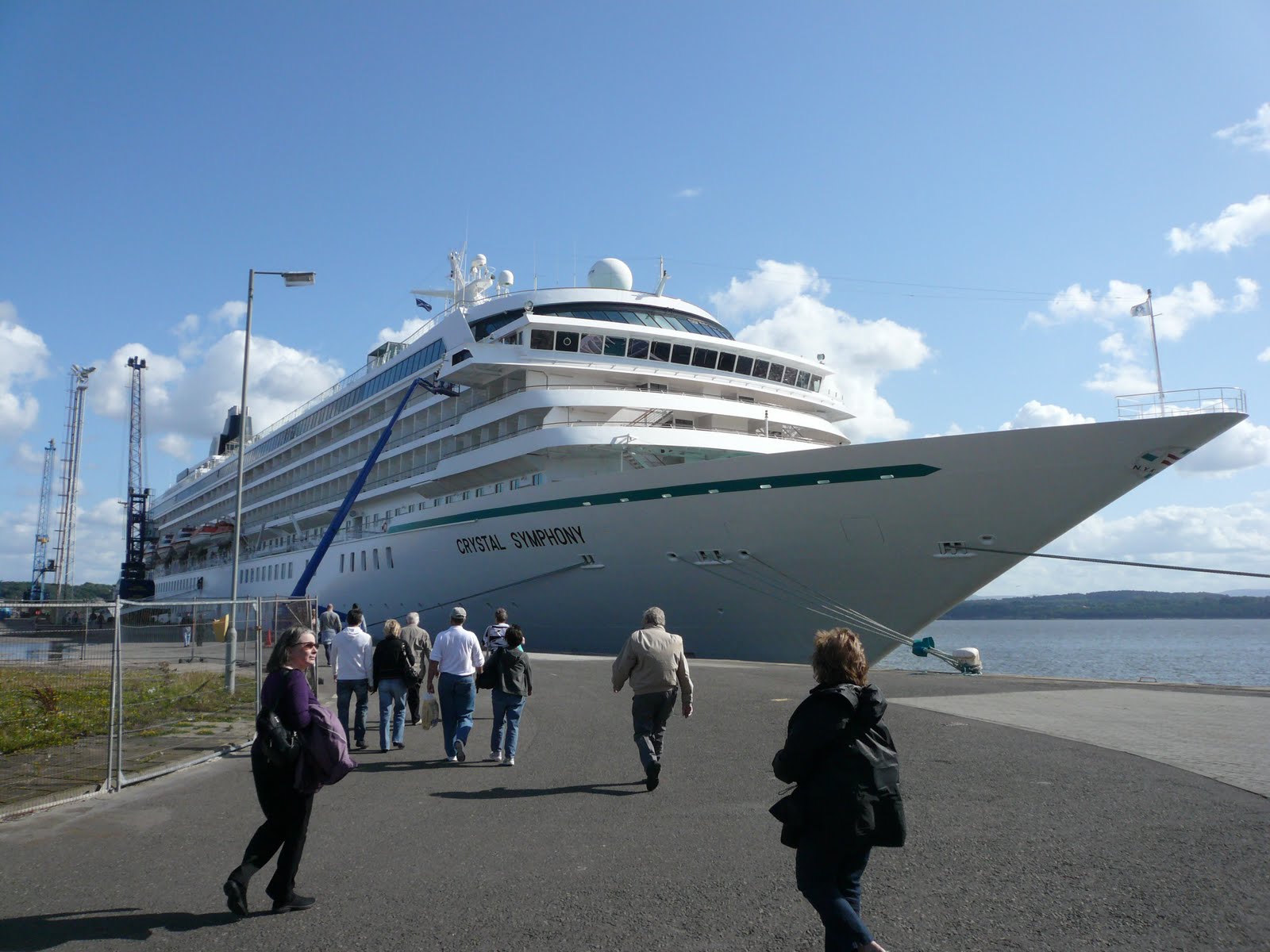
The Crystal Symphony awaited us at the dock. After we completed the boarding process, a staff member escorted us to a lounge on Deck Eleven (Symphony has twelve in all). He apologized that our rooms weren’t ready. Not a problem. Several glasses of complimentary French champagne, a spectacular view of those white cliffs, and the realization that we’d traveled from Dover, New Hampshire to Dover, England in a few short days kept us very merry indeed.

Wobbling to our stateroom several glasses of champagne later, we met my aunt and uncle, the perpetrators of the whole cruise idea, bless them. We settled into our well-appointed rooms and went to the main dining room to sample the first of many outstanding dinners. Soon we were underway, sailing the North Sea through the night and all the next day, passing England’s eastern shores on our way to southeast Scotland. Our day at sea gave us a chance to explore the ship: The library, the movie and Broadway style theaters, shops, a gymnasium, a tennis court, specialty restaurants, even a casino. At last, Symphony berthed in Rosyth on the Firth of Forth. After a fortifying breakfast, we boarded a shuttle bus for the forty minute ride into the City of Edinburgh, the capital of Scotland.
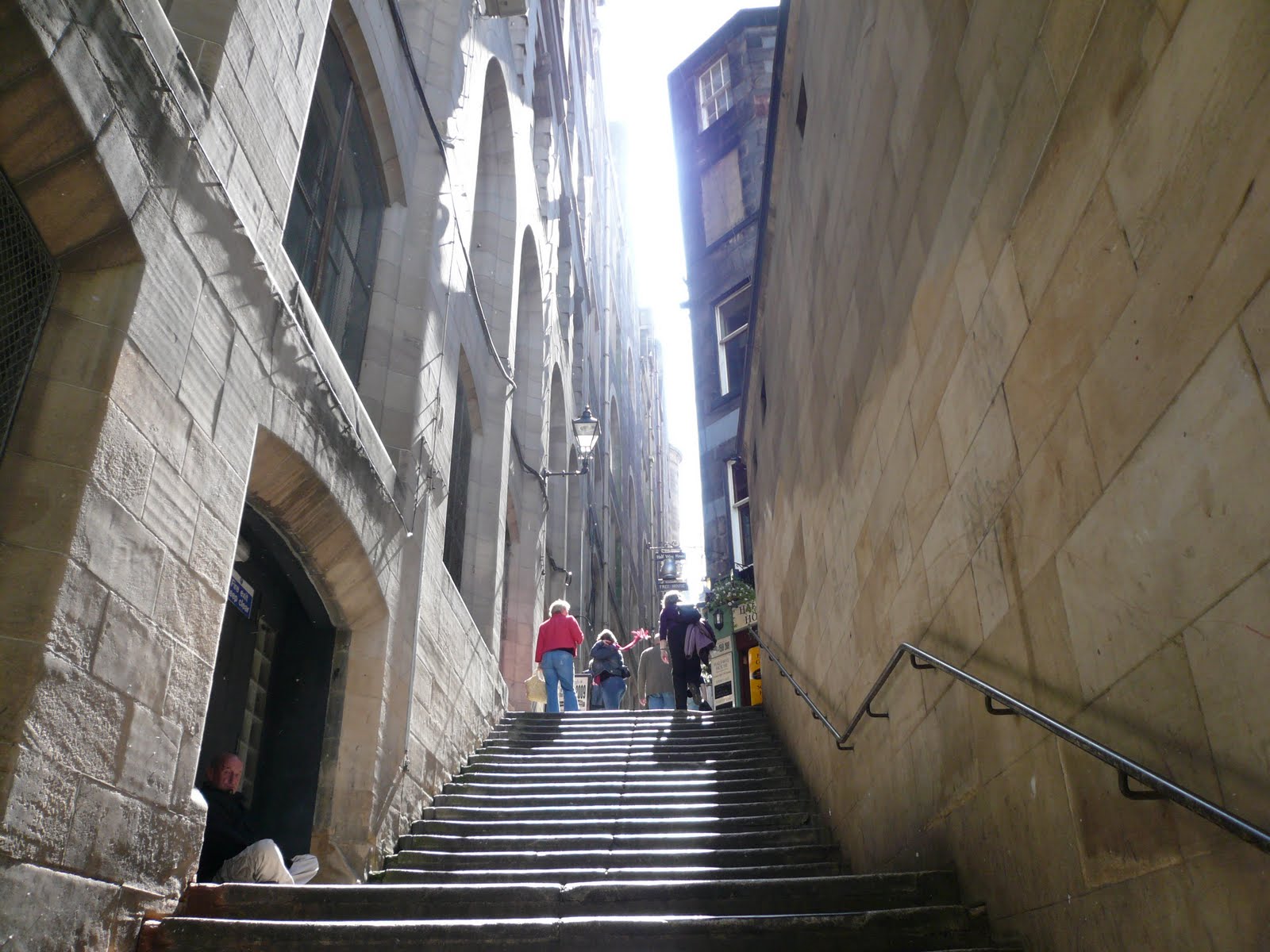
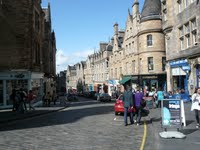
Knowing our time was limited—we would only have two days in Edinburgh, hardly enough—we saw what little we could of a splendid medieval city oozing with history. We scurried to find the Royal Mile and found the traffic-free thoroughfare jammed with buskers and street musicians: The Edinburgh Festival was underway.
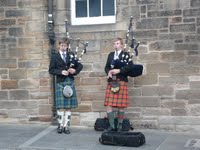
Omnipresent pipers in traditional dress filled the air with music distinctly Scottish.
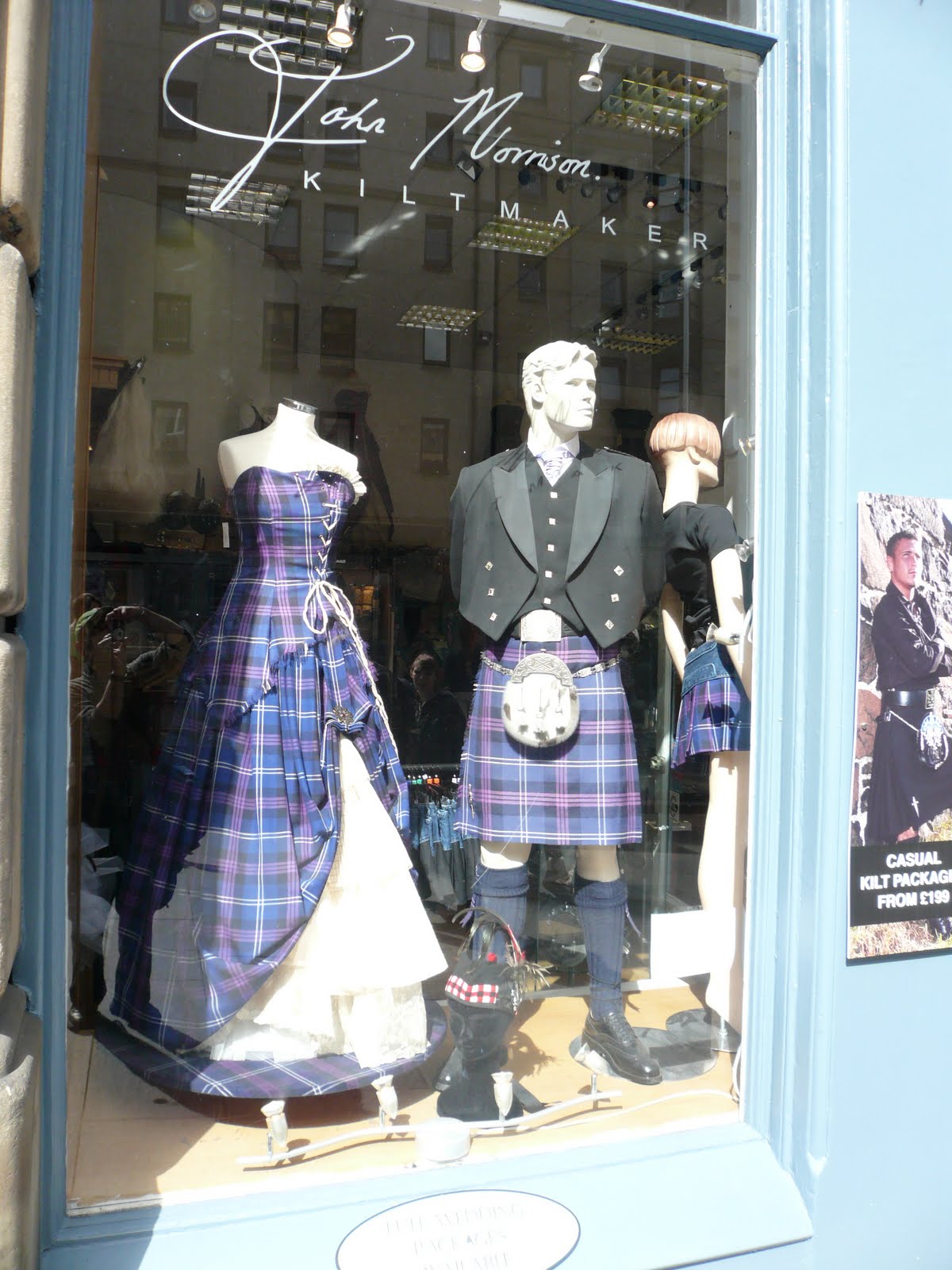
An official guide stationed on a busy corner pointed us toward Edinburgh Castle. We climbed to the top of the steep cobblestone street packed with kilts and cashmere shops. When we reached the castle, we found stadium style stands set up on its esplanade. This was where we’d attend the Edinburgh Military Tattoo.

Opting to return the next day to see more of the castle and Holyrood Palace, along with as much as the Hop On/Hop Off tour bus allowed, we enjoyed lunch in a whisky (no "e" in Scottish whiskey) museum. Edinburgh had captured us. We decided we’d visit again one day on our own. We’d wander through the New and Old Towns, explore the underground vaults, and take our time visiting museums, shops, and the zoo. With that pleasant thought in mind, we took the shuttle back to the ship to prepare for the Tattoo.

Saturday, August 22, 2009

Howth Therapy

"Howth is Magic" says the current tourist brochure for Ireland's maritime gem on the northern fringe of Dublin Bay. I love visiting Howth, but we almost didn't make the nine-minute train ride this trip. We've been there so often, I thought perhaps we should try someplace different. But Mike said "Let's go," and after a late breakfast at Bewley's on Grafton Street, we caught the DART at Pearse Station. The decision was a good one. There's no better cure for jet lag than a walk out on the east pier followed by a visit to the venerable Abbey Tavern for classic Irish refreshment.

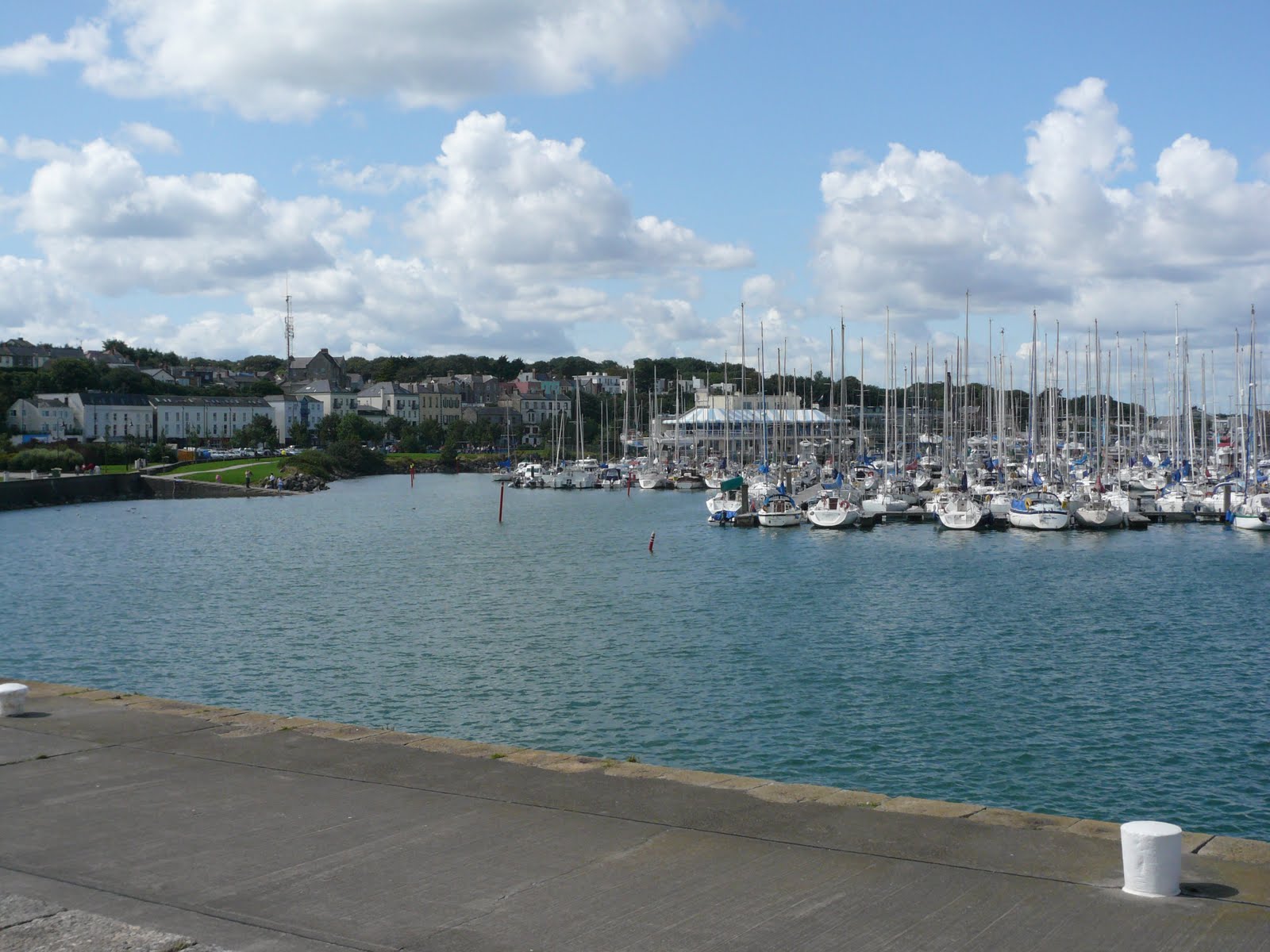
Howth is a picturesque village on the peninsula of Howth Head, which juts out over the northern part of Dublin Bay. Once a small fishing village, Howth has evolved greatly over the years. The boats still bring in the freshest seafood around, yet upscale restaurants and shops lure tourists from all over the world. The grounds of Howth Castle now include a luxury hotel and the largest golf course in Ireland. A marina filled with sailboats graces the harbor. And the scenery . . . oh, the scenery.

The cliff walks have lured many hikers, including me, to view sights that haven't changed in ages. When Mike and I trekked along those heathery cliffs a few years ago, I easily pictured Viking ships hurtling in to attack as they did in the ninth century. No need to do battle nowadays, however. Howth's property prices would knock the wind out of those Viking sails in a flash. In fact, I chose Howth as Prince Peadar Boru's fictitious home in A Band of Roses. Peadar's imaginary mansion would fit right in with the elegant homes overlooking Balscadden Bay from Howth Head.

One of my favorite stories about Howth concerns Pirate Queen Grace O'Malley. According to the legend, she was cruising home from England in 1576 and stopped to lodge at Howth Castle for the night. The Earl of Howth turned her away. Infuriated by the breach of hospitality, she kidnapped the earl's grandson and heir and sailed home to Mayo. She returned the boy once the earl met her unique ransom demand: he must never rebuff unexpected guests again. To this day, the gates of Deer Park, the earl's demesne, are always open, and an extra place is set each night at the castle's dinner table.

Our Dublin adventures continued today. Stay tuned.